Everything/Anything and…Chess…"Despite the documented evidence by chess historian HJR Murray, I've always thought that chess was invented by a goddess"–George Koltanowski: from the foreword to:"Women in chess, players of the Modern Age"
Happy New Year to all! Let’s hope that 2024 will be a great year and that all wars will come to an end – we hope that Putin’s mindset will change and that Hamas will stop their evil activities and stop wasting all the money countries generously donated to support the Palestinians, which they never got! – so that Israel can stop their war too.
Chess is a game everyone can play and there are so many benefits. I’ve discovered a charity on X (previously twitter) who is distributing chess sets globally focusing on educational institutions, prisons, community centres, orphanages, refugees and many more. This is amazing what they do as many of the countries and communities would never get the opportunity to meet and play others if it’s not for a game of chess! There are different ambassadors for different countries and from their link below, I found Erick Takawira as South Africa’s ambassador. The photos above is from his account and you can follow his account to view more photos in different parts of the country – even from a care home for the elderly.
Some of the benefits of chess: a) developing social skills b) critical thinking skills c) hard work d) perseverance e) creating opportunities f) there is no cultural, racial, religion or economic divide g) different generations can play each other and the list goes on. You can also read the page on my blog which tells you so much more of the benefits of playing chess.
This is what @davidllada says on X and I support this too. Chessclubs do an awful lot to promote the game and they don’t get the recognition for what they do.
Let’s use this thread to give a shout-out to our chess clubs. They deserve our recognition. And, if you run a #chessclub, feel free to DM to share your location and contact details. I have some ideas to support you and give visibility to your work.
I had to update this entry wit a new video – also a huge favourite – as the original video was made ‘private’ and not available anymore. How sad. The Symphony No. 101 in D Major (Hoboken 1/101) is the ninth of the twelve London Symphonies written by Joseph Haydn. It is popularly known as The Clock because of the “ticking” rhythm throughout the second movement.
Image of Haydn: Wikipedia This is an old time favourite. Three days in a row of parents’ evenings – done! Tired, exhausted is not enough to describe how you feel, especially if you go on till 6:10pm – from 3:30. Now: time to sit back and to relax.
The Piano Concerto No. 20 in D minor, K. 466, was written by Wolfgang Amadeus Mozart in 1785. The first performance took place at the Mehlgrube Casino in Vienna on 11 February 1785. The concerto is scored for solo piano, flute, two oboes, two bassoons, two horns, two trumpets, timpani and string and written in three movements. Source: Wikipedia. #Mozart #Classics
A HUGE thank you to Anton Roetz, who visited my blog a little while ago. Anton made me aware of this piece of interesting history. I absolutely love to know that this is what some soldiers did during the Anglo-Boer War to entertain themselves and even more to know what one farmer did. Read this interesting piece of information. Information from the site of Cradock-info.
During the early 1900s, British soldiers created a chessboard or chequers board on the top of Saltpeterskop, a 1514m high koppie (hill) in the Park. While using the peak as a lookout point during the Anglo-Boer War, they played chess or chequers with their fellow soldiers on the next lookout point, the Old Fort in Cradock, transmitting moves by means of a mirror, which had the official purpose of communicating warning signals.
The story goes that a certain farmer – unbeknown to the soldiers – picked up the signals and started a game against the soldiers while sitting on the stoep of his farmhouse.
The chessboard and the names of the soldiers are etched onto a flat slab of rock at the top of Saltpeterskop, which is the first koppie on the right as one drives into the Park.
Names recorded include Corporal Pegram of the 1st Coldstream Guards, Corporal Hutchinson, Private W. Chambers of the 5th Lancaster Fusilliers, and many others with dates in 1901 and 1902. The chessboard is still visible today and can be accessed on a guided hike with a SANParks guide.
Salpeterkop was supposedly named after a cave on the hill which provided a supply of saltpetre (potassium nitrate), a substance used in the manufacture of gunpowder for firearms in the early days. The cave was reported to have collapsed and its location is not known today.
Salpeterkop Graves Image: Cradock-info.co.za Salpeterkop image: Thegreatkaroo.com Twitter – SANParks Mountain Zebra National Park – Chessboard — It is believed that the chessboard was created during the early 1900s by British soldiers. They created the chessboard or draught board on a rock on top of Saltpeterskop, a 1 514m high hill. Names of the British soldiers engraved on the chess board on Salpterkop
Alexandri Magni kan vertaal word met Alexander die Grote. Die vrou het gewen en die man het opgegee. Twee vroue speel skaak. Dit wil voorkom asof die vrou dalk gewen het? Ek wonder of hier ‘n dispuut was oor ‘n sekere skuif.
Vrouens is vir jare uit die skaakgemeenskap uitgesluit omdat skaak net as ‘n ‘manlike’ sport gesien is. Hier is dan ook bewyse dat vroue van die vroegste tye af ook skaak gespeel het. Hierdie afbeeldings het ek van die Bodleian aanlyn biblioteek gekry.
Chess was seen as a ‘male’ sport and it’s great to know that so many females and girls are now playing this sport too.
Click HERE to view one of the images on the site of the Bodleian Library. This link will not open in a new tab.
Vrede vir Ukraine!! Al hierdie foto’s – soos jy kan sien – is van Twitter. Ek gee nie kommentaar – lees asb. die tweet met die bygaande foto. Ek hoop net dat Poo Tin tot sy sinne sal kom en ophou om hierdie mooi land en sy mooi mense so koelbloedig te vernietig, maar soos ons hom ken, weet ons dat dit nie sommer sal gebeur nie. Hierdie oorlog tussen – eintlik – die VSA (my mening) en Rusland maak dat Ukraine onnodiglik ‘suffer’. Photo: Atef Safadi – skaak terwyl jy vir jou veiligheid onder in ‘n ‘bunker’ sit en nie weet of jy die volgende dag gaan leef nie. People play chess at Taras Shevchenko park in downtown Kyiv on Sunday, 10th April 2022 Chess in Odessa – a beaufitul city – before this ugly War
Ek het so bietjie rondgespeel met die verfkwaste Ek wou slegs net die kwaste, verf en papier uitprobeer en sommer vir die lekkerte ook net met die kleure rondspeel. Dan het ek boonop met van my sagteware se nuwe funksies ook uitgetoets – soos jy met die eerste ‘image’ kan sien. Ek noem hierdie sommer ‘sleepy knight’ want hierdie skaakstuk lyk behoorlik moeg. My inspirasie kom van ‘n stuk wat ek gesien het deur ME Ologeanu -Ek het verander waar ek wou. I looked at an image by Valentyna, which is basically the face in this image and I changed it by adding on till I had ‘enough’ – just another playing around with paint.
For my inspiration, I used Google images, however, I made quite a few changes – according to my taste.
Op die volgende link is daar ‘n uitdaging vir jou – ook ‘n lekker wiskundige uitdaging – maar jy moet die skuiwe van ‘n ruiter op die skaakbord ken vir die uitdaging.
Ons het ‘n week gelede hierdie pragtige klein dorpie (village), wat in die Cotswold geleë is besoek. Nog altyd wou ek die Cotswold besoek omdat ek soveel keer al vertel is hoe mooi dit in daardie deel van die land is en nou het ek ‘n klein deeltjie daarvan beleef. Mense, maar dit is mooi! Ongelukkig het ons laat die oggend vertrek en ook nie tred gehou met al die paaie wat in die herstel is nie. In sekere areas was daar heelwat padwerke wat ons tyd nog meer verminder het. Gelukkig kon ons deur die voëlpark loop, wat net so oor die honderd voëlspesies het. Daarna kon ons gou-gou by die motor museum inglip, maar ons was nie betyds om in te gaan nie, maar kon darem van ‘n afstand die antieke motors bewonder wat vir ‘n ‘spin’ deur die klein plekkie gegaan het.
Bourton-on-the-Water is gedoop as die ‘Venice’ van die Cotswold en sedert die plekkie die naam gegee is, word dit oorstroom van besoekers van die binneland, waar dit voorheen hoofsaaklik van oorsee was. Die plaaslike inwoners is glo nie baie tevrede met die toestroom van besoekers, veral met die grendeltyd. Mens kan dit verstaan. Daar vloei ‘n rivier – Windrush rivier – deur die ‘village’ wat reg langs van die restaurante en eetplekke is en dis nou ‘n lekker kuierplek vir besoekers! Die Cotswold sal my beslis gou weer sien.
Ek was om en by 12-13 jaar oud toe ek eendag (weer) in die veld en in die rantjies rondgeloop het. In een voetpaadjie het ‘n miskruier – in ‘isolasie’ – my aandag getrek. Ek het besluit om die gediertetjie te volg en te kyk waarheen sy misbolletjie hom neem! Na ‘n vreeslike lang gewag en observasie – het ek opgegee, want sy roete was net te lank en dit was ‘n warm Desember! Tuis gekom, het ek in die Kennis-boeke gaan meer lees. Ek het vir ‘n paar dae gewonder oor my onderwerp hierdie jaar en hier is my bydrae tot die Afrikaanse taal vir 14 Augustus, Afrikaanse Taaldag!
'n Komplimentêre Kaartjie
In die snikhete van die twaalfuurson
- in skommellende isolasie -
beweeg hy ritsellend, ritmies.
Ongevraagd dog stemloos,
soos 'n baldadige lakei,
beskou ek die vasberade, onverskillige
kruidjie-roer-my-nie-miskruier!

Met sy ongeballanseerde dans
verower hy heuwel na heuwel
onder die koeltes van die blou wolklose hemel.
En ek: onverwags, met belaglike kreune,
het die aftog geblaas,
welwetend dat als, in die snikhete son en
onder die koeltes van die blou hemel,
in my glimmende geheue geanker is!
14-8-21  21:30 Nikita
Miskruiers in die Addo Olifant Park Foto: Mariska Spoormaker News24.com
Die kritiek bedreigde vlerklose Addo- miskruier is ’n onmisbare skakel in die Addo-park se gesonde ekologie, maar word ongelukkig nog in hope doodgery wanneer besoekers oor onder meer olifantmis in die pad ry. Lees die artikel op News24.
Die foto was ‘n advertensie in ‘n antieke Suid-Afrikaanse resepteboek
Net sommer iets interessants vir die dag!
Die begenoemde foto kom uit die antieke Suid-Afrikaanse resepteboek: ‘Oranje Koek- en Recepten-boek voor Zuid-Afrika‘ deur Mevr. D. J. H. gepubliseer in 1909.
Ek het die resepteboek van my oorlede ma ge-erf en vandag nogal aandagtig deur dit geblaai en by die advertensie-bladsy in detail alles gelees. Van jongs af moes ek altyd alles lees en het ek gevoel ek ‘mis’ iets as ek dit nie doen nie. Selfs op die toilet het ek die kannetjies lugverfrisser geneem en alles lees. In koerante het ek selfs die kleinste of kortste advertensies gelees – net omdat ek gedink ek het dat ek dalk iets interessants sal mis! Dit kan nogal ‘n pyn wees, maar ek het net gevoel ek ‘moet’. Gelukkig is ek nie meer so nie alhoewel ek nog steeds geinteresseerd is in die lees van taamlike detail van artikels of net enige iets wat my aandag trek.
In elk geval, net daar spandeer ek ‘n groot gedeelte van die dag op Google en doen ek ‘n behoorlike ‘search’ op hierdie straatname: Oude Doelenstraat h. O.Z. Voorburgwal – net om ook uit te vind dat dit eintlik is: Op die hoek van Oude Doelenstraat & Oudezijds Voorburgwal. Dit het heelwat interessante foto’s opgelewer.
Die winkel is nou, lyk my, deel van ‘n museum (want dis op die webwerf van: ‘Onderdiekeizerskroon’ – wat heel moontlik sal meen dat dit nie gesloop of veranderings aan die struktuur gedoen sal mag word nie – en op hierdie link kan jy die volgende beskrywing vind:
Opvallend winkelpand (‘Heeren en Kinderkleedingstukken Gemaakt Op Maat’) op de hoek van de OZ Voorburgwal en de Oude Doelenstraat. Het was een uiterst modern en functionalistisch winkelpand met grote glasvensters, mogelijk gemaakt door een ijzerconstructie van liggers en zuilen. Inwendig waren er grote ongedeelde ruimtes. Een stoommachine zorgde voor verwarming en elektrische verlichting. Aanvankelijk had het pand drie bouwlagen en werd bekroond door een grote gevelreclame, maar het kreeg in ca. 1920 een extra verdieping en een torentje. In 1983 ging deze uitbreiding verloren door een brand; het torentje was toen al verdwenen.
Alle foto’s: Google – Die argitekstekening van die gebou. Die gebou – wat om en by 1890 gebou is. Dit was oorspronklik ‘n winkel vir klere. All images: Google Die winkel van ‘n sy-aansig afgeneem. In hierdie foto kan jy sien die winkel het nog ‘n torinkie bo-op die dak gehad. Dit is later in ‘n brand verwoes en nog ‘n winkelvlak is geskep. Die winkel het verskeie veranderinge ondergaan – soos in die foto’s gesien.
Studente van sekere lande in Europa is regtig meer bevoorreg dan meeste ander studente reg oor die wêreld. Dit is deur danke aan ‘n filosoof van Nederland: Erasmus. In die skildery hierbo kan jy hom sien waar hy die Koningshuis in 1499 besoek en ‘n boek oorhandig aan die kinders van die Konings-gesin. Die Erasmus-program is in 1987 gestig en dis ‘n uitruil skema vir studente vanaf hul tweede jaar op Universiteit. Dit het die lande ingesluit: België, Duitsland, Griekeland, Frankryk, Ierland, Italië, Nederland, Portugal, Spanje en die UK. Na Brexit, het die UK besluit om nie meer deel te neem aan die uitruilskema nie, maar het die UK ‘n nuwe skema in plek geplaas: Die Turing skema – wat na Alan Turing vernoem is. Die ‘Erasmus’ is ‘n akroniem vir: EuRopean Action Scheme for the Mobility of University Students – buiten dat dit na die Nederlandse filosoof vernoem is. Ek wonder skielik of Suid-Afrika nog die uitruilskema het? Universiteite het ook ‘n skema gehad – ek hoop dit is nog aktief en in gebruik?
Die volgende is van die ‘Explore Parliament’ link -sien die link hierby.
Above image: Erasmus of Rotterdam visiting the children of Henry VII at Eltham Palace in 1499 and presenting Prince Henry (the future Henry VIII) with a written tribute. Detail of oil painting in the East Corridor of the Palace of Westminster, London.
In this remarkable painting by Frank Cadogen Cowper, the lady in the background dressed like a nun is surely Lady Margaret Beaufort, the pious mother of Henry VII. The babe in arms is one of the younger siblings who died in infancy. The Prince of Wales is not shown since he had his own household at Ludlow. According to Explore-Parliament: The painting shows the interior of the medieval palace of Greenwich: a man in black kneels before three small children in gorgeous apparel. Behind him and to the right, a tall man stands in profile, leaning on a stick. The story is a charming one, and it is true. Erasmus of Rotterdam was the most famous scholar of his day. In 1499 he was visiting England. He was in Greenwich one day with his young friend Thomas More, who made him an intriguing invitation.
I prithee, bear me company to a certain great house nigh to here. There thou shalt find friends, who have a great desire to see thee. – Thomas More.
The house turned out to be the royal palace, and the ‘friends’ were the royal children. One of them was the future Henry VIII, who was eight years of age at the time. The infant prince promptly demanded that the great scholar should write them a poem – which he did.
(Left to right) Erasmus, the Royal children: Princess Margaret, Princess Mary and Prince Henry and far right: The King leans forward, carefully observing the reactions of his children with Thomas More to his left.
Wikipedia: Sir Thomas More (7 February 1478 – 6 July 1535), venerated in the Catholic Church as Saint Thomas More, was an English lawyer, judge, social philosopher, author, statesman, and noted Renaissance humanist. He also served Henry VIII as Lord High Chancellor of England from October 1529 to May 1532. He wrote Utopia, published in 1516, which describes the political system of an imaginary island state.
More opposed the Protestant Reformation and was against the theology of Martin Luther, Huldrych Zwingli, John Calvin and William Tyndale. More also opposed Henry VIII’s separation from the Catholic Church, refusing to acknowledge Henry as supreme head of the Church of England and the annulment of his marriage to Catherine of Aragon. After refusing to take the Oath of Supremacy, he was convicted of treason and executed. On his execution, he was reported to have said: “I die the King’s good servant, and God’s first”.
Underwater sea scene I glued some beads to give the impression of corals and other sea life. I added on little tiny bits of glitter The practise piece: Random forest with red to represent Red’s cloak and the yellow piece of ‘string’ is supposed to be a footpath. Fun fairy chessboard Wool roving covered with net curtain, soaked in soapy water Testing for more rubbing? Different colours of wool roving
Enlgish readers: Please read below.
Ons het onlangs hierdie tegniek, om jou eie velt te maak, by die skool geleer omdat ons die kinders moes kry om hul eie velt te maak! Dit was heel prettig en ek het besluit om bietjie in te spring en nog meer daarvan by die huis te maak. Die eerste foto, met die onderwater toneel, is my eerste poging tuis. Die tweede een is die een wat ek gemaak het as ‘n toets by die skool met die aanwysings soos in die video – hier in die inskrywing. Dit is veronderstel om deel van ‘n woud te wees en die rooi gedeelte verteenwoordig die rooi kleur in Rooikappie se verhaal – die verhaal wat ons tans in die klas ‘bestudeer’ waar die kinders die storie skryf vanuit die wolf se perspektief.
Die skaakbordjie was sommer gemaak, met afvalstukkies, vir die genot daarvan. Die stappe in die video is baie volledig. Ek het nie al die stappe tuis of in my klas gevolg het nie en nog steeds suskes gehad! Soms voel ek dat enige iets wat onnodig langdradig is of nie regtig so belangrik is nie, uitgeskakel kan word as ek steeds dieselfde resultate kan behaal en daarmee kan die tyd kort geknip word! Miskien het ek nie genoeg geduld vir dinge wat onnodig lank neem nie.
Ek het ook my masseer-apparaatjie, wat eintlik vir ‘n klas-uitstalling oor die virus gekoop was, gebruik en dit het die tyd om die wol te ‘vryf’ met ‘n hele helfte verminder! Dis die blou dingetjie wat jy in die foto sien. Boere maak mos planne! Op die 5de foto kan jy sien hoe ek die velt getoets het – met jou vingers ‘knyp’ jy die velt om seker te maak dat die wol goed ‘vassit’ of ‘gemeng’ het met die ander wol en maak jy seker dat daar nie ‘los’ draadjies is nie.
Recently, we learnt this skill of wet felt painting in order to teach our children in the class how to do it. It was great fun and it inspired me to try more at home too. The underwater sea scene is my first I tried. The second image: a test at school, which is meant to be a forest – on the left – and the red colour represents Red Riding Hood’s cloak – we linked it to our current topic in writing.
We followed this video, though I skipped some of the steps, which I thought will save time too and you can still have success. We didn’t do the rolling part. Also, I used my massage tool – in the photo, you can see the blue thingy – for more rubbing. You need to do plenty of rubbing and this halved the time when I used this little tool, which was initially bought for a class display! Well, anything to make your life easier is part of my motto. Give it a try and have fun!
Elke leerder moet ‘n gelyke geleentheid gegee word.
Christavanstaden.com het my ‘n geruime tyd gelede gevra om iets te skryf oor die Begaafde leerder. Ek skryf graag daaroor gesien vanaf my oogpunt en ek glo en mag dalk gestenig word uit verskeie oorde. Ek het 34 jaar Onderwys ervaring en twee jaar daarvan is in twee Britse Hoërskole waar ek ‘Computing’ onderrig het. [Lees laer af oor die Britse stelsel rakende die Begaafde en Talentvolle kind]. Ek het veertien jaar Onderwys ervaring in Suid-Afrika waarvan 9 jaar daarvan in Junior Primêr is and spesifiek met graad 3 en die res Gr4-Gr7. Die res van die 34 jaar is in laerskole in die UK, waarvan 10 by die laerskool is waar ek op die oomblik 10 jariges onderrig. Ek het ervaring in die onderrig van 7-11 jariges in die Britse stelsel, maar meestel in die groepe 9-10 wat Jaar 4 en Jaar 5 is – soortgelyk aan Graad 4 en Graad 5 in Suid-Afrika.
Ek het ‘n persoonlike siening oor die hoogsbegaafde leerders wat ek dink nie baie mense met my deel nie. Ek sal verduidelik en dan vra ek dat jy die gedeelte van die Britse stelsel ook lees, want dit het ook ‘n aandeel in my siening wat meer begin verander het. Hoe langer ek hier in Engeland skoolhou, hoe meer negatief neig ek om te wees oor hierdie ‘hoogbegaarde’ stelsel. (Lees asseblief kappies en deeltekens in met sekere woorde – indien jy nie omgee nie. My sleutelbord wil nie lekker saamspeel nie! – Ek hoop ook nie die inskrywing lees soos ‘n ‘essay’ nie.)
Van my eerste dag van skoolhou, het ek geglo dat die Onderwyser moet absoluut alles gee vir elke liewe kind wat voor jou in die klas sit – op elke vlak. Daar moet onder geen omstandighede ‘n uitsondering gemaak word van sekere kinders wat meer weet as ander of sekere kinders wat beter presteer in sekere areas as ander. Vir my moes almal op ‘n gelyke speelveld wees en van daar af werk ek met elke kind. Geen kind kan met ‘n ander kind vergelyk word – omdat almal op verskillende maniere leer. Die Onderwyser kan die leerinhou vir die kind voorhou en hoop dat dit reg geinterpreteer sal word, maar gou-gou sal hy agterkom dat sekere kinders dit op ‘n ander manier interpreteer of dat sekere kinders meer hulp as ander nodig het om dit beter te verstaan of dit moet meer in detail verduidelik word. Elkeen dink anders of interpreteer ‘n konsep/leerinhoud anders. Dus, die Onderwyser moet gereed wees om meer te verduidelik waar nodig – selfs vir die hoogbegaafde kind – of die hoogbegaafde onderpresteerder. Dit meen, jy moet die kinders in kou klas baie goed ken en weet wat elke kind se potensiaal is en hoe om te werk te gaan om dit vir elke kind moontlik te maak om sukses te behaal in elke les wat onderrig word. Die Onderwyser moet met ander woorde ‘ingryp’ waar dinge bietjie ‘verkeerd’ gaan vir die leerder en seker maak dat die leerinhoud duidelik is.
Nou moet ek dit duidelik maak dat ek hier van die ‘gemiddelde’ kind praat. Die Onderwyser sal kinders in sy klas he wat so ver agter is as die res van die klas as gevolg van verskeie redes en faktore. Ek noem slegs een of twee. Sommige ouers trek gereeld rond van plek tot plek – elke paar weke of maande. Die leerder het nooit geleentheid om leerinhoud sy eie te maak nie en dus gaan daar ‘gaps’ wees in die leer van hierdie groep. Die tweede groep: hierdie leerders is bitter min teenwoordig by die skool/in die klas. Ons het lank terug na hulle verwys as die wat ‘stokkiesdraai’. Daar is geen rede waarom hulle nie in die klas kan wees nie, maar ek moet darem by se, dat baie van sulke leerders wat wel stokkiesdraai, doen dit as gevolg van ‘n lae selfbeeld of keer op keer se mislukkings in die klas. Die ander groep stokkiesdraaiers is die wat net bloot-weg stout is en kattekwaad wil aanvang. Ek sluit nie hierdie groepe in wanneer ek praat van onderpresteerders of begaafdes nie, want hulle sal in die groep geplaas word wat ‘onderpresteer’ – of selfs geklassifiseer kan word as die ‘hoogbegaafde onderpresteerders’ deur skole.
Die Onderwyser se beplanning moet as sodanig wees dat hy elke kind se potensiaal moet kan identifiseer en op daardie kind rig hy sy doelstellings en doelwitte. Met ander woorde, hy moet baie duidelik sy beplanning differensieer in die sin dat die kind wat onderpresteer of gewoonlik meer hulp nodig het, baie vinnig op dieselfde vlak gebring kan word waar hy behoort te wees – vir sy ouderdomsgroep. Die kind wat meer kennis het as sommige ander in jou klas, sal dan ook baat vind by die gedifferensieeerde beplanning want die Onderwyser sal outomaties ook aan die kind aandag gee wat reeds meer kennis het en daaraan dink hy hoe hy daardie kind gaan stimuleer en in sy/haar behoeftes voorsien – nie dat hy noodwendig meer werk vir die kind sal gee nie, maar dalk die werk van so ‘n aard beplan dat daar ‘n dieper studie gemaak kan word in plaas net oppervlakkige (ekstra) werk voorberei. Ek het bv vir ‘n kind verdere navorsing laat doen oor ‘n onderwerp wat die ek sou onderrig – met die hoofpunte wat die kind moes navors – iets wat ‘n uitdaging was vir die kind. Die kind het die navorsing met die klas gedeel – en ek het aangevul waar nodig.
Ek voel ook dat kinders die keuse gegee moet word om die area van navorsing te kies want dit sal ‘n aansporing wees om navorsing te wil doen omdat dit die belangstellingsveld is. Die Onderwyser sal die kind begelei in so ‘n mate hy (die kind) nie sal afdwaal van die onderwerp van studie af nie. Kinders kan in groepe navorsing doen waar elke kind ‘n sekere deel navors – en dis waar die onderpresteerder ook ‘n deel kry om na te vors en daar kan ‘n groepleier wees wat die inligting versamel. Groepwerk is nie my gunsteling nie, want daar is altyd die leerders/kinders wat harder werk as ander, maar dit kan ook suksesvol aangewend word indien die beplanning en leiding reg geskied.
Die kind wat onderpresteer moet nie gesien word as ‘n kind wat glad nie potensiaal het en dan slegs oppervlakkige werk vir die kind voorberei nie. Elke kind moet voel dat die Onderwyser meer van hom/haar verwag of ho-e verwagting koester. Sodra die kind agterkom dat hy (die Onderwyser) meer verwag en ho-e verwagtings koester, sal die leerder gemotiveerd wees en ook voel dat die Onderwyser ‘n ho-e dunk van hom/haar het – die kind sal dus voel dat hy ‘raakgesien’ word en dat hy/sy iets ‘werd’ is en nie net ‘n ‘iemand’ is nie. Dan kry jy ook die kind wat suksesvol is, maar op soek is na bevestiging van die Onderwyser. Die kind is eintlik bang vir mislukking voel hy mag nie foute maak nie. Hierdie leerder sien homself as ‘n perfeksionis. Somtyds is so ‘n leerder bang vir die onbekende en vermy uitdagings en het ‘n vrees vir mislukking. So ‘n kind wil nie graag iets ekstra doen nie. So ‘n leerder het iemand nodig om na te volg, iemand wat risiko’s neem en nie bang is vir mislukking nie. Dan kry jy ook die leerder wat suksesvol is, ook hoogbegaafdes en wil nie graag uitstaan in die groep nie. Sommige sal met opset onderpresteer om in te pas by hul maats – dit gaan oor die sosiale inskakeling. Dit hoef nie noodwendig juis die hoogbegaafde leerder te wees wat dit ‘moedswillig’ doen, slegs om in te pas of om nie maats te verloor nie, maar selfs die gemiddelde kind ook. [sien die video on die einde van die inskrywing].
Dan is daar ook die groep wat geklassifiseer word as kinders met ADHD, ASD, OCD, ens. of leerders wat disleksies is, dyspraxia het en nog meer. Sommige van hierdie kinders voel soms ‘dom’ en voel hulle kan nie die taak bemeester nie. Hulle voel ook dat hulle dikwels voortdurend onderskat word. Die probleem is dat baie keer word die probleem raakgesien, maar nie die begaafdheid nie. So ‘n kind, omdat hy juis vindingryk is, het baie hanteringsmeganismes ontwikkel om sodoende struikelblokke te kan vermy en later word die probleem geidentifiseer. Hierdie kind het ook aandag nodig van die Onderwyser in die sin van ‘raaksien’ en prys.
Sommige ouers sal somtyds na vore kom en vir die Onderwyser kom vertel hoeveel werk die kind by die huis meester en baie trots op die kind voel en wil daarmee ‘voorgee’ dat die kind ‘begaafd’ is – omdat die kind soveel werk doen! Nee, dit is nie ‘n begaafde kind nie, maar ‘n ouer wat net bloot druk op ‘n kind uitoefen om meer werk te doen. Die begaafde kind is die kind wat op sy eie werk ‘wil’ doen, ook dan werk doen en nog meer op sy eie wil leer. Die kind het nie iemand nodig om te motiveer om werk te doen nie, maar sal uit sy eie die werk doen. Die tipe kinders wil ook sekere dinge vir hulself leer – dinge waarin hulle belangstel.
Elke kind het ‘n sekere vlak waarop hy funksioneer en alleenlik die Onderwyser kan daardie vlak bepaal en die leerder motiveer om beter te presteer. Indien die Onderwyser besluit dat die kind in elk geval ‘n onderpresteerder is en altyd sal bly is die gevaar daar dat die Onderwyser se verwagtinge projekteer word op daardie kind en sal daardie kind nie beter doen nie, want die kind besef dat die Onderwyser verwag nie veel meer van hom/haar nie. Dus, jy moet baie duidelik ho-e verwagtinge koester van elke liewe kind en dit uitspel vir die kind. Die kind/leerder moet weet dat die Onderwyser het daardie sekere verwagtinge en dat dit van hom/haar verwag sal word om te presteer – met die hulp of ekstra hulp wat deurentyd verleen sal word.
Kinders moet gedurig gemotiveer word en die Onderwyser moet die kind laat voel dat hy sukses kan behaal en ook help om suksesvol te wees met take en sodanig die vertrouensverhouding daar stel vir hierdie kind om meer te wil waag en risikos te neem. Dit sal aanlyding gee tot die bou van ‘n selfbeeld, selfbeeld verbeter en vertroue in homself/haarself in te boesem. Sodra die kind voel dat sy Onderwyser in hom/haar glo, sal/behoort vordering plaasvind. Ek kan meer uitbrei op Landman se leer-ken-word essensies maar glo nie dit gaan hier nodig wees nie. My punt is: Ek het dit oor en oor gesien – dat elke kind ‘n gawe of ‘n talent het. Die Onderwyser het daardie verantwoodelikheid om dit in die kind raak te sien en te ontwikkel. Dit is so dat baie kinders minder talente het as ander, dit is hoe ons geskape is, ons kan niks verander nie, maar as jy die kind inspireer en aanmoedig en die geleenthede skep, sal kinders agterkom hoeveel meer hulle kan doen en wil doen.
‘n Tabel volgens die UK se perspektief
Die situasie in Engeland:
Sedert 1997 tot 2010 was daar al verskeie benaminge vir die begaafde en talentvolle leerders. 1997 is dit G&T genoem – Gifted and Talented. 2002-2007 was dit WAGTY genoem en 2007-2010 GFBT en die akroniem: YGTP is ook gebruik – Young Gifted and Talented Programme en toe is dit altesaam alles ontbind. Daarna is die term: ‘More Able’ gebruik.
Vir Onderwysers in die klaskamers is gese om ten minste 5% van jou kinders in die klas te identifiseer as G&T. Dit is waarmee ek ‘n gruwelooslike probleem het! Onderwysers het meeste van die tyd geen idee – en slegs bolangse lyding gekry van hoe hulle kinders kan identifiseer. Ek wou elke keer na die hemel skreeu as daar vir ons name gevra is. Die probleem: Jy het baie keer nie in jou klas daardie kind(ers) nie en nou is jy verplig om ‘n paar name voor te stoot! Jy het dalk baie, baie oulike kinders of kinders wat redelike slim is of kinders wat nogal baie weet, maar jy weet dat hierdie kinders beslis nie in daardie kategorie-e pas nie, maar nou ja, name wil hulle he, so name gee jy net om ‘hulle’ te plesier. Dis verkeerd! Dis slegs om boksies af te tik en Ofsted gelukkig te hou. Ek het kinders gekry wat van die vorige jaargroep na my gekom het en waar die vorige Onderwyser kinders geklassifiseer het as G&T en dan is daar weer van my verwag om die betrokke kind(ers) se naam weer op die lys te plaas! Nee, dis totaal verkeerd. Ek het daarteen geskop. My woord was gelukkig aanvaar. Ek wil teen die mure uitklim oor G&T in hierdie land. Daar word ook gekyk na kinders wat uitblink in sekere areas soos bv. Sosiale – leierskap, Liggaamsoefening, akademies bv Wiskunde, Engels en Wetenskap en dan in die kreatiewe areas: musiek, drama, kuns, ens.
My dogter was geklassifiseer as G&T toe sy 16 was en sy was uiters gefrustreerd daarmee. Sy kon, ten spyte van haar een Europese taal (Frans), nog een neem – Spaans. Sy – en die ander in die skool – is vir baie ekstra dinge in die skool voorgestoot en alhoewel sy dit nie wou doen nie, was sy verplig om dit te doen! Sy het die onregverdigheid raakgesien en geweet daar was ander klasmaats wat sy wou he dat hulle die voorreg ook moes kry om sekere geleenthede te he en dit het net nie gebeur nie. Dit was van daardie spesifieke groep kinders verwag om alles te doen wat daar vir hulle gese is, slegs deur sekere persone wat ‘in beheer’ is van die G&T en hulle wou vir die Inspekteurs bewys lewer – gedurende ‘n inspeksie – wat hulle vir die betrokke kinders doen! Dit is nog ‘n rede waarom ek teen hierdie programme is en voel ek dat daar gelyke geleenthede vir almal geskep moet word. Sommige ander kinders kon daardie ekstra taal aangeleer het of ‘n ekstra musiek instrument leer bespeel het. My dogter het vioollesse gekry, wat ons baie waardeer het want sy het wonderlik presteer en verder gegaan met haar viool – maar die klavierlesse kon vir ‘n ander kind gegee word! Waarom groepe kinders identifiseer en alles net vir daardie kinders reserveer?!
Suid-Afrika groepeer ‘begaafdheid’ in verskillende domeine: intellektuele kreatiewe artistieke leierskap akademiese
Die VSA se top punte om begaafde leerders uit te ken: By die kategorisering en identifisering van begaafde kinders, word beweer dat sodanige kinders gewoonlik: ‘n IK-syfer betref gewoonlik deel uit van die boonste 3 – 5% van skoolpopulasie; – presteer goed in een of meer skool- of buitekurrikulêre vakke soos sterrekunde, rekenaarwetenskap, meganika, ens.; – is uiters weetgierig en kan deur hoëdenkvlak-aktiwiteite probleemoplossend te werk gaan en abstraheer maklik; – kan vinnig memoriseer en leer maklik en vinnig; – leer vinnig lees, lees baie en geniet dit; – beskik oor ’n groot woordeskat en kan vir lang tye konsentreer; – kan verbande raaksien en daarvolgens veralgemeen en is verbeeldingry; – is oorspronklik en kom met unieke, nuwe gedagtes na vore; – openbaar leierskap en besit die vermoë om goeie menseverhoudings te stig; – openbaar talente in kuns, musiek, skryfkuns, drama en dans en openbaar ‘n besondere redenaarsvermoë; – stel hoë eise en doelwitte, is selfkrities en selfanilities – vra na die dieper sin en betekenis van dinge; is sensitief en het ‘n goeie humorsin; – hou van ouer kinders – slaap min; – beoefen verskeie stokperdjies, geniet ingewikkelde speletjies en stel belang in wêreldprobleme.
Begaafde onderprestering — volgens die VSA se stelsel. Begaafde onderprestering dui op die wanverhouding tussen aangebore potensialiteite en gelewerde prestasies. Hierdie begaafde kinders gaan oënskynlik gebuk onder die las van ’n gebrek aan korrelasie tussen hul chronologiese en verstandsouderdom omdat hul geesgenote heelwat ouer as hulself is en daar uiters moeilik in die gewone skoolsituasie in hul besondere onderwysbehoeftes voorsien kan word. Die oorsake vir onderprestering kan moontlik aan van die volgende faktore gekoppel word: – hulle handhaaf swak famiJie relasies — met hulle ouers en ander gesinslede — en reken dat hulle nie onvoorwaardelik aanvaar word nie. Dit kan die konsentrasie- en leervermoë beïnvloed en tot emosionele ontwrigting lei; – hulle heg gewoonlik nie veel waarde aan eerlikheid en getrouheid nie en sal dus ook nie sodanig ingestel wees ten opsigte van huiswerk of eksamenvoorbereiding nie; dit kan tot swak akademiese resultate lei; – hulle het nie goeie studiegewoontes en -houdings nie. Diesulkes sukkel daarom om met hulle onderwysers oor die weg te kom en werkopdragte te voltooi; – hulle word groot in een-ouer-gesinne waar hulle emosionele en selfs materiële ongeborgenheid ervaar en waardeur hul prestasies negatief beïnvloed word; – werklose ouers oefen uit die aard van die saak ’n ooreenstemmende invloed uit.
English Readers – these are just random photos taken during the lockdown.
Hierdie foto’s was almal geneem gedurende die ‘grendel’-tyd hierbo genoem. Op my daaglikse stappie deur die klein plekkie waar ons woon (village), het ek altyd my foon by my gehad en was dit vinnig om gou-gou net te ‘kliek’ as dit nodig was. Ek is lief vir my groot bome en as ‘n boom my aandag trek, dan moet ek dit afneem, soos jy hier kan sien. Selde was dit nodig om in te gaan skooltoe en dan was daar op baie plekke die nodige padwerke.
My twee rekenaarskerms is ‘n duidelike bewys van die aanlyn skoolhou – byna drie keer per dag moes ek my skerm deel met die groep en dan was dit gerieflik om die groep, wat as ‘n gallery op jou skerm opkom, oor te skuif na my tweede skerm – dit was ook dan maklik om almal in die oog te hou – veral daardie wat so nou en dan hul kameras wou afskakel of net plat wou neerval op die bed! Dit was gewoonlik in die eerste groep die geval en hulle was die wat heelwat vroe-er moes opstaan vir hul sessie.
Op ‘n stadium het ons te veel piesangs gehad en was dit gou om piesang-muffins te maak. Ek het sommer die resep van ‘n piesanbrood gebruik om die muffins te maak. Hulle was heerlik.
Die 8ste Januarie het ons met aanlyn skool begin en vandag – 3 Maart – was die laaste dag – en ek dink ek het ‘n drankie nodig – soos die gedig hierbo se! Dit was harde werk, al die beplanning moes oorgedoen word sodat ons deur Zoom dit kon onderrig en die kinders dit tuis kon doen met die hulp van ouers – na die Onderwyser se aandeel afgehandel is. Dit was ‘n heeltemal ander manier van ‘doen’ en aanpassings moes gemaak word – waarmee Onderwysers baie goed is. Baie keer – byna daagliks, moet jy aanpassings maak, want sommer uit die bloute kan heelwat dinge in die skool gebeur en jy moet op jou tone kan dink en gereed wees vir daardie aanpassings. Dus, jy moet buigbaar wees en dit kan hanteer as jy vinnig dinge moet verander, vir welke rede ookal.
Die vertaling van die gedeelte van die gedig in plein Engels: I wish I had some vintage wine that has been stored for years deep in the belly of the earth, wine that tastes of flowers and the countryside, of dancing, folk singing, and happy sunshine!
Ek is nie ‘n wyndrinker nie – daarmee bedoel ek dat dit nie deel is van my daaglikse lewe nie, maar ek is eerder ‘n een-keer-‘n-jaar-glasie-persoon. Rooiwyn is my gunsteling – ek kry hoofpyn van witwyn of sjampanje.
Die Karlienblom is my groot gunsteling blom! Ek het so bietjie rondgespeel met die waterverf – iets wat ek nog nooit regtig aangepak het nie – eerder iets wat ek die kinders leer en dis iets wat hulle moet doen – hierdie keer het ek self probeer. Ek het net rondgespeel om die verf en papier te toets, veral die kwaliteit van die verf en wat dit op die tipe papier doen om te weet of ek ander verf moes koop – en ook dalk ander tipe waterverf papier. Ek het dit nogal geniet en dink dat verf met waterverf nogal ‘n lekker tydverdryf kan wees en baie makliker as olieverf is. Ek hou daarvan dat jy ‘n fout ken ‘fix’ met die waterverf. Ek het eenkeer olieverf op ‘n klein doek probeer, dit het nogal uitgekom soos die video wat ek gevolg het, maar dit was uiters moeilik om met die olieverf te werk – veral as jy dit nie voorheen gebruik het nie. Ek dink nie ek sal dit weer probeer nie, terwyl die waterverf iets is wat ek beslis weer wil probeer. Ek hoop jy het my pampoen raakgesien!
Ek het ‘n studie gemaak van Rooikappie en die Wolf. Dit het als so begin: Sodra ons terug by die skool is na die lockdown – volgende week 8 Maart – is ons opdrag gegee om in elke jaargroep ‘n tradisionele storie te neem en ‘iets anders’ daarmee te doen. Vir ons jaargroep is Rooikappie gegee en ons gaan die kinders kry om hul storie te skryf vanaf ‘n ander karakter se oogpunt hulle kan kies: die wolf, Rooikappie, die Ouma of die houtkapper. Dit is ‘n lekker manier om dit so bietjie ‘fun’ te maak en dis altyd interessant om te sien waarmee die kinders na vore kom. In my rondsoeke na idees om my voorbereiding te doen, het ek afgekom op verskeie interessante artikels en geskiedenis wat my gelei het na meer ‘n studie as om aan beplanning te werk – alhoewel die beplanning ook op die ou end darem gedoen is! Ek was taamlik erg geskok om te sien wat oorspronklik deel was van hierdie ‘onskuldige’ storie! Sien die aangehaalde gedeeltes in blou.
Ek het onder andere op die dokument van die Britse hoofbiblioteek afgekom en ek het die PDF dokument hier ook opgelaai in die inskrywing vir jou om af te laai en self deur te lees. Ek het hier ‘n gedeelte aangehaal. Ook met die lees van artikels, het ek op ‘n blog van ‘n Onderwyseres afgekom waar sy 25 variasies van Rooikappie het! Ek het ook uitgevind dat daar nie minder as 85 variasies bestaan! Dis net ongelooflik hoeveel studie daar rondom die storie gemaak is. In die volgende afbeelding kan die oorsprong van soortgelyke stories gesien word. Ek het die artikels baie interessant gevind en nooit geweet dat daar soveel variasies bestaan nie! Gelukkig is die variasie van Charles Perrault verander – met ‘n gelukkige einde, maar is ook die ‘aaklige’ gedeelte verwyder!
Aanhaling van die dokument hierbo geplaas. Quote from the document by the British Library – the PDF in this entry for you to download and to read in your own time.
Charles Perrault’s tale of Le Petit Chaperon rouge (Little Red Riding-Hood) first appears with four other stories in a manuscript Contes de ma Mère l’Oye, which was offered to Élisabeth Charlotte d’Orléans, the niece of King Louis XIV, in 1695.
According to Marie Françoise Quignard, Charles Perrault rewrote tales which had been transcribed from the stories of nurses and old women by his son Pierre Perrault d’Armancour. Charles had the tales beautifully written out, and illustrated them himself with little gouache paintings at the head of each story, but signed the dedicatory letter with his son’s name in order to obtain him a post as secretary to Elisabeth Charlotte. The manuscript is now in the Pierpont Morgan Library in New York. The tales were intended to be read aloud, as the introduction refers to ‘those who listen’ to the tales. There are corrections to the manuscript, possibly by Perrault, and, in the story of Red Riding-Hood, beside the last reply of the wolf that his big teeth are ‘to eat you with’, a note says that these words should be spoken in a loud voice in order to frighten the listening child.
Three more stories were added to the first printed edition Histoires ou contes du temps passé published in 1697 by Claude Barbin. Le Petit Chaperon rouge is the shortest story in the collection. The heroine is a little girl who is idolized by her mother and grandmother; the latter making a little ‘chaperon’ for her to wear. The Dictionnaire de l’Académie Française of 1694 defines chaperon as a padded medieval bonnet, and also as a strip of cloth, in velvet, satin or camelot (a material which was a mixture of goat hair, wool and silk), worn by girls and women who were not of the nobility, ‘not long ago’. It was therefore mainly ornamental and quite small, very different from the enveloping capes shown in most English language illustrations of the story. The painted illustration (which is coloured) in the 1695 manuscript shows Red Riding-Hood in bed about to be eaten by the wolf, who is emerging from the curtains at the back of the bed. Red Riding-Hood wears a strip of red cloth laid over her head from her forehead back over her hair as far as her neck. In the first printed edition the engraved line drawing by Antoine Clouzier is not an exact copy of the painting. The image is reversed (by the printing process) and one can see more clearly that the wolf is beneath the covers of the bed, as described in the story. The little piece of cloth on the heroine’s head is just visible. Speculation that this is a picture of Grandmother, because the wolf has no clothes on, is belied by the presence of the red headdress in the original picture 3 Perrault does not describe the wolf putting on Grandmother’s clothes, but he does mention that she is ‘en son déshabillé’, implying a nightdress or shift. Perrault has not shown this, perhaps for the sake of a clearer image; one can excuse him on the grounds that the wolf was ‘showing his true nature’.
The Dictionnaire de l’Académie Française also explains that an older woman who wore this type of headdress was known as a Grand chaperon, a woman who accompanied young girls, whom we would now call a chaperone. In the eighteenth century a riding-hood or capuchin. was a large, soft hood with a deep cape attached, faced with a coloured lining, worn by all classes, and not just for riding. It was generally black with a bright lining.4 This is the garment usually depicted in illustrations, but of course red and not black. So perhaps Robert Samber, who first translated the stories of Perrault into English in 1764, thought that a chaperon translated as a ‘capuchin’, the alternative name for a riding-hood. The rolling r’s of ‘Red Riding-Hood’ certainly sounded well.
Perrault tells all his Contes very economically, in a precise, polished style. Le Petit Chaperon rouge is as brutal as the original version of Cinderella. The little girl meets the wolf in the forest, and asks where she is going. On hearing that she is to visit her grandmother, he runs ahead and eats the old lady, and then takes her place in bed. When Red Riding-Hood arrives, he pretends to be the old lady, and the little girl assumes that his gruff voice is due to a cold. He tells the little girl to undress and lie down beside him, a detail which is expurgated in later versions. Then follows the famous exchange of comments on the size of his arms, legs, ears, eyes, and finally teeth. Giving the terrible reply that his big teeth are to eat her with, he promptly gobbles her up. End of story, with no rescue. The verse moral explains that young ladies should be on their guard against human wolves. And the most dangerous sort of human wolves are pleasant and gentle, and follow girls into houses and alleys.
In 1729 an English translation of Perrault’s stories by Robert Samber was published by J. Pote and R. Montague as Histories or Tales of Past Times. Samber translates Perrault’s text exactly; the wolf eats up Red Riding-Hood. The only addition is that he calls the little girl Biddy, and the wolf Gossop Wolfe, a name which in a later anonymous version turns into Gossip Wolf. Samber makes Red Riding-Hood his first story, whereas Perrault begins with La Belle au bois dormant, and Le Petit Chaperon rouge is second. The illustrations in Samber’s translation, which are copperplate engravings, copy those by Clouzier in the first French edition.
The German Romantic writer Ludwig Tieck, who wrote a number of fairy tales, published a dramatic poem in 1800 about Red Riding-Hood, Leben und Tod des kleinen Rotkäppchens. An English translation of this was published in 1851 by Groombridge and Sons: The Life and Death of Little Red Riding-Hood, a tragedy, by Jane Browning Smith, illustrated by John Mulready. See this link: https://books.google.co.uk/books id=jfcIAAAAQAAJ&printsec=frontcover&source=gbs_ge_summary_r&cad=0#v=onepage&q&f=false
Tieck introduces extra characters, both human and animal. Red Riding-Hood and her friend Jenny blow dandelions to see how long they will live. Red Riding-Hood’s seeds blow away instantly, indicating a short life. A dog has a philosophical dialogue with the wolf about the advantages of being a servant and protector of man, or a free agent and his enemy. The wolf hates man because his mate was killed by peasants, and he was ill-treated and hunted. The wolf kills Red Riding-Hood, and is shot by a huntsman, but too late to save her, and two robins mourn her fate (fig. 3).
In their version, Jakob and Wilhelm Grimm provide a happy ending. After the wolf has eaten grandmother and the child, a hunter enters the house and cuts open the wolf, releasing them both. The child fetches stones to fill the wolf ’s stomach, and he dies. The Grimms also provide an alternative ending in which Red Riding-Hood is alarmed by the wolf ’s fierce expression, and runs to her grandmother’s house. They shut the door to keep the wolf out. He waits on the roof, until grandmother fills a trough with the water in which she has cooked sausages, and the wolf, tempted down by the smell, falls in the trough and drowns.
This is a game I played against a player called ‘The Duke of Wellington’ – just his nickname. Of course, with a much lower rating than this Duke, I lost the game, but thought it was a good game and good experience. You can play through the game where I played white by clicking on the above link.
I have also discovered that Napoleon played also chess! He played a game against the Duke of Wellington though he was not the only person to play chess against Napoleon. Both the Duke of Wellington and Napoleon Bonaparte where gentlemen chess players – Napoleon had a higher rating. Chess just before battle of Waterloo – Night 17th June 1815.
The whole art of Chess consists in getting at what is on the other side of the board. Duke of Wellington
Lord Uxbridge: By God, sir, I’ve lost my Queen! Wellington: By God, sir, so you have.
Wellington describing Napoleon Game Play. Source – chess.com
Image – google images
Johann Baptist Allgaier (June 19, 1763 – January 3, 1823) was a German-Austrian chess master and theoretician. He was also the author of the first chess handbook in German – Neue theoretisch-praktische Anweisung zum Schachspiel.
This is a game played by Napoleon vs the Turk, alias Johann Allgaier.
Three games purporting to be played by Napoleon are in existence. One of these (a Scotch Game) said to have been played in St Helena between Napoleon and Bertrand, and first printed in Capt. Kennedy’s Reminiscences in the Life of Aug. Fitzsnob (Waifs and Strays, 1862), is certainly fictitious. The second game, said to have been played with Mme von Rémusat, 29 March 1804, and a third game (I.L.N., 1844, 352), played against the Automaton in Vienna, are also of very doubtful authenticity.’ from H.J.R. Murray’s A History of Chess. – Source: chess.com
During this game, the Turk was operated by Johann Allgaier The automaton was a chess playing machine known as the Turk. It was invented by a Hungarian baron called Wolfgang van Kempelen in 1770. However, the machine did not really play chess. It was a trick. The automaton was a large box, large enough for someone to hide inside and it was this person who played the game. In 1809 Napoleon played against the Turk. (1)e4e5 (2)Qf3 Nc6 (3) Bc4Nf6 (4) Ne2Bc5 (5) a3d6
I don’t think I’ve blogged about chess players and stamps before. As a young child, I collected stamps and still have them all. Just the other day, I actually ordered a new stamp album for some other loose stamps. After a chess dot com article about the best top 5 female chess players of all time, I was intrigued by the name of Verna Menchik and found her on stamp too. That led me to some more exploration. I have a few favourite Grandmaster chess players of which Magnus Carlsen is one and quite like the artistic stamp sheets I’ve found on ebay. With graphic software packages available these days you can create some really artistic collages like these stamp sheets. It’s sad to know that Vera left her country after a family split just to come and die due to a WW2 bomb that hit her house in England – in 1944. She must have had a strong mind to continue playing chess during a time that it was very ‘odd’ for a female to play chess – even in England.
The best top 5 female players of all time Image: ebay Image: ebay
More about Vera:
Vera Menchik
Vera Menchik was born in Moscow in 1906 to an English mother, a governess, and a Czech father who managed several country estates. Vera’s younger sister, Olga, was born 15 months later. Details of their life in Moscow are sparse but it would appear that the girls enjoyed a relatively comfortable life in pre-Revolutionary Russia. They were introduced to chess by their father when Vera was about 9 years old. The years following the Russian revolution in 1917 were hard for the family. They lost their income and their home, and the family spit up. In 1921, Vera, Olga and their mother moved to England to live with their grandmother, whilst their father returned to Czechoslovakia.
It was in England that Vera took up chess more seriously, joining her local chess club in Hastings in 1923. At this time, it would have been unusual to see women playing at a chess club. For Vera it seemed like a natural move as her spoken English was very poor, so sitting in silence suited her perfectly. Vera’s talent was quickly recognised, and she became a pupil of Geza Maroczy, a Hungarian Grandmaster. Soon she was representing both the Hastings Chess Club and Sussex County in team matches and making good progress.
In 1927, the World Chess Federation held the first World Championship for women. At the age of 21, Vera was its first winner, beginning a streak ended only by the Second World War. She was the first woman to compete on the international elite chess circuit, travelling Europe and the Americas to do so. In 1937 she married Rufus H S Stevenson, who was involved in the chess world, moving into his house in Clapham, bringing her mother and sister with her. She was Mrs. Stevenson at home, but Vera Menchik in chess. Source: blog.cwgc.org
The Chess Stamps History
It all starts on May 11, 1923 in Borstendorf when a local German industry decides to advertise its business with a first specific postmark: “Papier factories, Draught and Chessboards Industries, Toy Pianos”.
The first International Chess Tournament to be announced through a postmark was held in Kecskemét, Hungary in 1927 and was won by the future world chess champion Alexander Alekhine.
The 6th Chess Olympiad, organized by the FIDE took place between August 16 and August 31, 1935, in Warsaw, Poland. To commemorate this important event and also the 12th FIDE Congress was used a special chess postmark. This was the first special olympiad postmark.
The first postage stamp with a chess topic was issued in Bulgaria in 1947. It was a stamp showing a knight with the vertical inscription ‘Balkan Games 1947’ and the horizontal inscription ‘Republic of Bulgaria’ to commemorate the 1947 Balkan Games, held in Sofia, Bulgaria on November 2-5, 1947.
On November 20, 1948 in the Hague (Netherlands) and Moscow (USSR), three chess stamps were issued to commemorate the World Chess Championship match-tournament that brought together the five strongest chess players of the time: Mijaíl Botvínnik, Vassily Smyslov, Paul Keres, Samuel Reshevsky y Max Euwe. These three stamps was the 1st World Chess Championship Stamps.
Another three chess stamps were issued in Budapest, Hungary to celebrate the first Candidates Tournament on April 9, 1950. These was the first Candidates Tournament Chess stamps.
The first Chess Olympiad commemorated by a special edition of stamps held in Dubrovnik (Yugoslavia) on August 20, 1950. There are 5 chess stamps whose FDC you can see above on the left of this page.
On November 1, 1951 seven stamps were issued in Cuba as part of the 30th anniversary of Jose Capablanca winning the world chess championship from Emanuel Lasker in 1921. This was the 1st stamps showing a portrait of a chess player.
Tata Steel Round 5 Results – from the site of Tata Steel Standings after round 5 Chess tournaments take a lot of deep thinking. One thing I like about chess players – they are ‘nice’ in games. Chess is a gentleman’s game. Is it thinking or worry? Game 6 I like those cushions! (searching the internet….)
Jorden van Foreest commented on his game in round 6.
Carlsen’s aggression and Giri’s defensive skills light up day 1 of Tata Steel Masters 2021 by Sagar Shah – 17/01/2021 It just seems like a normal year when the Wimbledon of chess begins in January! That’s exactly what has happened in 2021! With the Covid-19 pandemic threat, it seemed likely that the Tata Steel Masters would be called off. But the will of the organizers and the excitement of the players to get back on the chess board has ensured an exciting 83rd edition of this world class event in the town of Wijk Aan Zee, Netherlands. Day one began with an amazing onslaught by Magnus Carlsen. He won his game against Alireza Firouzja. Anish Giri got the better of Aryan Tari in an Ant-Berlin. Nils Grandelius was the other winner on day one. All of this and much more in our illustrated report from day 1 of Tata Steel Masters 2021.
The quaint town of Wijk Aan Zee known for its powerful breeze and scenic beauty – Chessbase. in
I quite like to follow the Tata Steel tournament and have blogged about some before, but that’s long ago. I think I might have a few spare minutes to follow the tournament this time – during this lockdown4. I quite like this image quote from @tatasteelchess
The 14 TOP players from 10 different countries: Magnus Carlsen, Grandelius Nils, Alexander Donchenko, Anish Giri, Aryan Tari, Pentala Harikrishna, Maxime Vachier-Lagrave, Jordan van Foreest, Fabiano Caruana, Andrey Esipenko, Jan-Krzysztof Duda, Radoslaw Wojtaszek, David Anton Guijarro and Andrey Esipenko. Tata Steel – Blue is beautiful! images: @ChessBaseIndia – twitterImages: chessbase India End position of the game between Magnus and Alireza
Beth’s top 5 moves – from the movie: The Queen’s Gambit This is the opening we played in my game below – see link – and it’s called: The Philidor’s Defence
When I was at school, I got the looks from boys as chess was always just seen as a boys’ game. Luckily, time has changed, however, there are still some of the opposite sex that still think this is true and sadly even some of the Chess Grand Masters. I will not elaborate on this as I already done so a few years ago on my blog. After all the media attention, this Grandmaster denied what he said, but we know what he said is what he meant. Sometimes, when I write my own poems, I do like to weave some chess into my poems – you might find some on my blog to read and spot the random reference to chess in a random poem.
This was one of my online games from a few years ago, which I really enjoyed. If you click the link below the image, you van view the game and play through the game by using the arrows. I played black in this game. This image shows the end position.
I have watched this movie: The Queen’s Gambit and enjoyed it thoroughly. If you haven’t done so, you are missing out, even if you don’t know anything of chess, you will still enjoy it.
Beth Harmon – ~The Queen’s Gambit
The Queen’s Gambit – a Netflix Music from the movie: The Queen’s Gambit
This chess opening is called: The Queen’s Gambit
This chess opening is called, The King’s Gambit.
The Final Position on the board in the Netflix Movie.
Charlize in 2019 at the South African Closed Chess ChampionshipCharlize in Batumi, Georgia, in 2018Credit: Reint Dykema and Chess dot com
When there is an opportunity, I do like to blog about chess players from Africa as they don’t get the exposure they should get. Even more so if it is a high profile player and a female! I was quite surprised to find this article about Charlize on Chess.com and was quite excited to know there are more young female players, from South Africa, in this great game! I didn’t copy the complete interview on my blog and you can follow the link to read more about her and to view more other photos of this talented young player.
Quick Bio: Chalize van Zyl age 20
Occupation: Student (BA Media, Communications and Culture)
Rating: 1686 (FIDE) / 1801 (CHESSA)
SA rank: 9th (FIDE) / 7th (CHESSA)
Title: Woman International Master (WIM)
Number of Olympiads played: 1 (2018)
An interview conducted by WCM beccrajoy
At what age did you start playing chess, and who introduced you to it?
My Dad taught my sister and me when I was about 7 – he tried earlier, but we just weren’t into it. I started playing tournaments at 8, and when I was 9, I went overseas.
What’s your earliest chess memory?
My memory’s not that good, but I remember in one of my first tournaments, the only point I got was against my sister. We had both lost all our games, so we played in the last round. No one was watching us, and we ended up playing with just our kings until someone came and told us it was a draw!
How did you prepare for the South African Closed Chess Championships?
I did a lot of tactics in the days leading up to the closed. I did a bit on the opening, because I wanted to experiment a bit and change my lines, but not much. So, it was mainly hours and hours of tactics, and Puzzle Rush too. I’m addicted to Puzzle Rush – I don’t know if it was really training, but I couldn’t stop playing!
What is the highlight of your chess career?
When I was 13 I won the African Zonals, which is when I won my WIM title. And I broke a record for being the youngest South African to get the title.
Verskeidenheid / variety Spaanse kosse / Spanish foodsUile en nog meer – Franse goedere / Owls and more from France!So oulik! / So cuteBeursies – Purses
English: lower down in this post.
Nadat ek Christa se inskrywing HIER gelees het en van haar ondervinding in Kazakhstan, het ek besluit om ook ‘n paar foto’s te deel na vandag se besoek aan ons buur-dorpie. Ons het voorheen in die dorpie gebly en gaan ons nog steeds soontoe vir verskeie redes. Ek besoek die haarsalon daar gereeld en sommer ook die oulike kunswinkeltjie en manlief hou van sy hardewarewinkel – en ek moet byvoeg ek myself ook met veral die kuns-goed wat die ou ook verkoop. Een van die helpers is ook ‘n oud-Suid-Afrikaner wat 40 jaar gelede uit SA is as ‘n Engelsprekende Suid-Afrikaner. Ek het baie respek vir die Omie, want hy groet ons altyd in Afrikaans en maak seker ‘n wissel ‘n paar woorde met ons in Afrikaans. Die verbasing op die ander werksmense se gesigte was in die begin redelik komies.
Elke Saterdag is dit markdag en soos jy in die foto’s kan sien, is daar ware van Frankryk en Spanjaardse kos en geregte ook te koop. Ek het vir my hierdie liewe uiltjies gekoop – in die een foto – en ‘n duidelike ‘merci’ gekry nadat ek betaal het. Ek hou van hierdie markdae, dit bring mense bymekaar en daar’s altyd een of ander oulike iets te koop. As dit nie vir manlief was, het ek met ‘n sak oudhede huistoe gekom! Die foto’s wat jy hier sien is slegs van ‘n paar stalletjies. Daar was heelwat meer. Ek het ook nie die groente/vrugte deel afgeneem nie.
This is our neighbouring town’s market on a Saturday. We used to live in this town and I still go back to it for various reasons. I’m sharing a few photos of my most recent visit for a hair cut. Do enjoy!
Watter leser is jy? Die ingedagte-leser – jy lees, maar jou gedagtes is ver weg.
Jy lees en jy is verdiep in wat jy lees. Niks en niemand om jou kan jou pla nie.
Jy het ‘n opdrag en jy moet die boek lees. Jy sou iets anders wou lees, maar daar’s nie nou tyd nie.
Jy lees hier-en-daar in die koerant – slegs dit wat regtig jou aandag vasvang en jou aandag behou. Al die ander artikels is ‘ou nuus’.
Jy lees en deel dit wat jy lees graag met ander.
Jy lees en jy absoluut geniet wat jy lees. Jy kan nie wag om die opvolg van die boek te lees nie. Dis spanningsvol, dramaties en jy voel een met die karakter.
Jy is in jou gunsteling plek! Jy wil net meer en meer lees. Jy voel dat tyd stil gaan staan het. Jy hoop nie iemand kry jou hier nie.
Jy is ontspanne, jy geniet dit om te lees, maar jy geniet nie elke bladsy van die boek nie. Hier en daar slaan jy ‘n bladsy oor, want jy wil graag ‘n meer interessante boek lees.
Jy geniet die boek terdeȅ, maar jy is oppad na ‘n afspraak. Jy wil nie graag gaan nie en sou hierdie boek eerder wou klaar lees!
Jy het nou ‘n tydjie vir daardie spesiale koppie tee – en jou gunsteling skrywer se nuutste boek! Jy probeer jou tee-breuk rek – so lank jy kan met verskonings dat die tee baie warm vandag is, net so lank jy nog een bladsy van die boek kan lees!
Daar was ‘n tyd toe daar gedink is dat vroue nie veronderstel is om ‘meer’ te weet nie. Gelukkig is daardie tyd verby en leef ons in ‘n moderne tyd! Al die kunswerke hierbo is deur die kunstenares: Sylvie Vanlerberghe. Sy het heelwat kunswerke van mense wat lees – nie slegs vroue nie – mans en kinders ook.
My poem about this forest. My annual contribution to the Afrikaans language. I have translated it for you too.
Die voetpad na die boom
Die voetpad na die boom is nog steeds bedek – half versteek.
Gure weer en aanhoudende reen oor die jare het die toegang onomkeerbaar versper.
Daar was eens ‘n voetpad wat deur die woud na die boom gelei het.
Voorheen was die area boomryk, lowerryk.
Koeltesoekers het passievol al die bome vereer –
snoesig soos ‘n lappieskombers het hul ingekruip
onder die wydverspreide skadu-kolle.
Selfs laventel-pers heide is met deernis aangeplant
wat net deur enkeling opgemerk word.
Baie molle het op hul reis onlangs kom vlerksleep –
waarvan al die molshope getuig.
Daar was eens ‘n voetpad deur die woud.
As jy die soomlose woud binnestap,
veral laat, in die laat somer –
wanneer die skarlaken-son laag sit
en die laat-middag woud-wind om jou fluit
en die eekhorinkie speels sy den binnegaan,
dan hoor jy die dowwe getrippel van perdehoewe in die verte
terwyl die mis ‘n dun wolk-laag begin vorm al om die
karbonkelrige boomstamme en welig-groeiende gras
en bedek stadig die eens voetpad wat deur die woud gekronkel het.
~~Nikita – 26-8-2020
English translation
The footpath to the tree
The footpath to the tree is still covered – half hidden.
Severe weather and persistent rain over the years have irreversibly blocked access.
There was once a footpath that led through the forest to the tree.
Previously, the area was tree-rich, leafy.
Cooling seekers passionately honored all the trees –
cuddly as a rag blanket crept in
among the widespread shadow spots.
Even lavender-purple heather was planted with compassion
which is noticed only by the individual.
Many moles have recently come to wing on their journey –
of which all the molehills testify.
There was once a footpath through the forest.
As you walk into the seamless forest,
especially late, in late summer –
when the scarlet sun sets low
and the late-afternoon forest wind around you whistle
and the squirrel playfully enters his den,
then you hear the faint tripping of horseshoes in the distance
while the mist begins to form a thin layer of clouds all around the
carbonaceous tree trunks and lush-growing grass
and slowly cover the once footpath that wound through the forest.
Nikita – 26-8-2020
Hierdie gedig het ek geskryf as my bydrae tot Afrikaans en om 14 Augustus, Afrikaans-dag te ‘vier’. Elke jaar probeer ek om my bydrae te maak rondom hierdie datum. Ons het so bietjie in Sherwood Forest gaan rondstap om veral die baie bekende boom waar Robin Hood en sy ‘manne’ vergader het. Die Major Oak – het ongelukkig gedurende die ‘lockdown’ bietjie deurgeloop deurdat vandaliste dele van die boom probeer vernietig het. Die boom is nou afgesper en word dit al vir baie jare gestut om die boom te beskerm – soos jy in die foto kan sien.Dit was eers in die jare ’50 toe mense besef het dat die boom bewaar moet word en is enige persoon verbied om in die boom te klim en klouter – soos dit gereeld die gewoonte was. As jy die kans kry en jy is in die omgewing van Nottingham, maak gerus ‘n draai by die woud. Dan is daar ook die Robin Hood Kasteel in Nottingham wat jy kan besoek en dit is baie beslis die moeite werd – maak net seker jy besoek die grotte ook. Sien die foto.
You can go on a cave tour when visiting the Robin Hood Castle in Nottingham.
English Readers: This is a poem I’ve written after my visit to Sherwood Forest. 14th August is also Afrikaans Language Day. This is my contribution to the Afrikaans Language, the most beautiful language in the world.
Ton Sanders, resident in Chrissiesmeer is an authority on the area and a published author on both Lake Chrissie and the Anglo Boer War which focuses on the Battle of Chrissiesmeer which took place on 6 February 1901.
Make sure you watch the video – there is a little connection to Scotland – a little legend about this town. This is what the article is about from a SA family magazine.
I got more interested in Chrissiesmeer after a post on a FB group. Years ago, a radioprogram, about small villages in South Africa, actually got me interested, but I never got to find out more about this place – it was placed on my memory-list. It was only after this post on FB, that I started asking questions and realised some people do know more about this place and they were willing to share.
After a few references and my old friend Google, I found all of this you can read in this entry! I copied the news articles because previously, I’ve found that some articles ‘disappear’ from sites over time and I end up with broken links to posts. I did though, linked to one or two gorgeous sites for you to read more and to enjoy the actual beauty of this amazing village in South Africa. Do make sure you visit the two links, you will not regret it. One news article below is in Afrikaans, the rest is in English.
Chrissiesmeer is named after the former President Marthinus Pretorius’ daughter, Christina. It was established in 1860 as a trading post. Chrissiesmeer is a delightful gem located in the lake district of South Africa, with more than 270 lakes and pans in a 20km radius.
On the site of airbnb, HERE you can view more pictures of the above historic house, which you can rent for a nice holiday! (The link will not open in a new window).
Read on this next link more about this area called: South Africa’s Lake District. You will find some amazing pictures and an interesting read about this small village. eagerjourneys.com/chrissiesmeer/
Interessante stukkie geskiedenis.
Chrissie en die professor
Bekende skrywer en inwoner van Chrissiesmeer, prof. Ton Sanders, is onlangs deur Mpumalanga Hoëveld Toerisme vereer vir sy bydrae tot die literêre bewaring van Mpumalanga, Chrissiesmeer en omliggende gebiede se geskiedenis.
Prof. Sanders is van Nederlandse afkoms en het in 1963 as 22-jarige in diens van die Nederlandse Bank (vandag bekend as Nedbank) Suid-Afika toe gekom.
In 1968 het hy die akademiese wêreld betree waar hy aan die regsfakulteit van die Universiteit van Suid-Afrika (Unisa) verbonde was. Later jare het hy ook hofverslae vir Swaziland gedoen en het gereeld vanaf Pretoria via Carolina na Mbabane gereis. So het hy op ‘n dag op pad terug van Swaziland besluit om sy roete te verander en deur Chrissiesmeer gereis.
Dié dorpie het sy hart gesteel en hy het besluit om daar ‘n blyplek aan te skaf sodat hy naweke uit die stad kon wegbreek. Dis toe dat hy in 1989 die ou tronkie wat slegs uit twee selle bestaan het vir R2 500 van die buitestedelike administrasie gekoop het.
Ná sy aftrede in 2002 het hy permanent na Chrissiesmeer verhuis, die tronk verkoop en die gewese Barclays Bank sy nuwe tuiste gemaak.
Hy het nog altyd in geskiedenis, argeologie en antropologie belang gestel en het begin om die gebied te verken en die ryk geskiedenis van Chrissiesmeer na te vors. In 2012 is sy eerste boek: “Chrissie is her name. The story of Lake Chrissie/Chrissiesmeer,” gepubliseer.
Dié boek is gevolg deur “Lake Chrissie’s Bushman Past” in 2013. Die volgende jaar het sy boek “Lake Chrissie / Chrissiesmeer and the Anglo-Boer War 1899-1902″ die lig gesien.
Verlede jaar het hy twee boeke gepubliseer, die eerste “Carolina’s Ancient Sites. Fiction, Facts and Mysteries” en later “The Village at the Great Lake. Lake Chrissie / Chrissiesmeer / KwaChibikhulu”. Sy liefde vir Chrissiesmeer en omgewing skyn duidelik deur in sy boeke en hoewel hy nog nie ‘n nuwe boek beplan nie, sal nog stories oor die distrik verwelkom word. [Author of article: journalist Erika Nel]
Another article on the site of the highvelder dated 23rd March 2016. This article by: Gerald Young.
Another book, the fourth by Prof Ton Sanders, the adopted son of Chrissiesmeer, has been published.
This time round Ton has captured the history and fascinating stories of the town of Carolina in a book titled “Carolina’s Ancient Sites – Fiction, Fact and Mysteries,” and it promises to be just as popular as his previous books on the history of Chrissiesmeer (Lake Chrissie) and the town’s indelible connection to the Anglo-Boer War.
The book traces the history and unearths a treasure trove of archaeological sites in and around Carolina that yield fascinating stories of the town that have hitherto been left buried or untold.
Supported by a wealth of monochrome photographs which cleverly lend themselves to creating an ancient and historical “feel” to the publication, the reader is transported back in time to the late Stone Age and Iron Age and on through a historical journey of the Indian influence, the Shamanistic era of Bushmen rock paintings and the little known Koni petroglyphs in the Caroliina district.
Along the way, one invariably finds oneself quietly exclaiming: “That’s interesting,” or “I didn’t know that!” Backed by intensive and meticulous research, Ton is not afraid to disagree with theories and speculations of other historians, which makes for more interesting and fascinating reading.
All in all, this is another “must have” for any historian and those interested in the rich history of Carolina and the Southern African region. Copies of the book are available at the Highvelder offices at R120 per copy.
The author of the book, Lake Chrissie and the Anglo Boer War 1899-1903, Ton Sanders.
Prof writes third book on Chrissie
The first of Ton’s three books on Chrissiesmeer documented the history of the town (Chrissie is her name) and the second explored the history of the Bushmen of the area.
Lake Chrissie and the Anglo-Boer War 1899-1903 is new on the shelf and the third book by Prof Ton Sanders on the history of Chrissiesmeer.
A labour of love is the only way one can describe the latest book written by this resident of Chrissiesmeer who unashamedly declares his love for the town also known as Lake Chrissie.
Born in the Netherlands in 1941, Ton came to South Africa in 1963 and followed a career as a law teacher and researcher. After retiring in 2002, he settled in Chrissiesmeer and so began an intense love affair with the town, its people and its history. He has since established himself as a true son of Lake Chrissie, pursuing a passion for documenting the rich and eventful history of this quaint town.
The first of Ton’s three books on Chrissiesmeer documented the history of the town (Chrissie is her name) and the second explored the history of the Bushmen of the area.
Although there are many books and essays describing the Anglo-Boer War, Ton has succeeded in capturing and condensing a plethora of information and anecdotes concerning Chrissiesmeer and the war without neglecting important and relevant facts or diluting the spellbinding charm that the town still holds today. As can be seen in the bibliography section of the book, Ton has waded through piles of references and works in an effort to capture and summarise the events that unfolded all those years ago. The many illustrations that adorn the pages do justice to this fascinating account that is a must-have for any history lover’s book collection.
From before the Great Trek to the Anglo-Boer War when Lake Chrissie was known as the Bothwell Trading Post, through to the effect the war, particularly the Battle of Lake Chrissie, had on the town, on to the rich Scottish history and through to the New South Africa that resulted from aspects of the Anglo-Boer War, this book, originally intended as a coffee table book to be digested in more than one session, has evolved into a can’t-put-it-down goldmine of history, heritage and spellbinding reading.
Copies of the book at R130 each can be obtained from the Highvelder offices in Murray Street, tel. 017 811 2221 or the Matotoland Eco-Tourism Association at tel. 082 640 5650 (email: jean.justcountry@gmail.com)
Prof Ton Sanders and Mr Terry Tsujii show the book “Paradise in the world – Chrissiesmeer in South Africa” written by Terry.
Terry honours a promise
Last year, the Highvelder reported on Terry’s visit to Chrissiesmeer and Ermelo and at the time he promised to bring a copy of his book on his next visit. This week he made good on his promise.
The Highvelder was privileged this week to receive a visit from Mr Teruyuki Tsujii, a 65-year-old retired teacher from Tokyo, Japan.
He kept a promise he made during a visit last year to bring a copy of a book he wrote in Japanese, reflecting the history and people of Chrissiesmeer.
His book, Paradise in the world – Chrissiesmeer in South Africa, was born of his desire to share the rich history of the town and the role it played in the Anglo-Boer War with his fellow countrymen, who, he says, generally do not know much else about South Africa other than Johannesburg and Cape Town.
Terry, as he is known by his “Western” name, has become a firm friend of Chrissiesmeer since befriending Prof Anton (Ton) Sanders, a resident of Chrissie who has written three books on this quaint town, steeped in history.
The two gentlemen who have been friends for more than 30 years, met while Ton was a lecturer at the University of South Africa (Unisa) and Terry was studying through correspondence. 15 years ago, Ton, who had since retired, invited Terry to visit him at Chrissiesmeer and his fascination with the town’s history was spawned.
Regular visits soon followed and were reciprocated by Ton who visited Terry in his home country.
Last year, the Highvelder reported on Terry’s visit to Chrissiesmeer and Ermelo and at the time he promised to bring a copy of his book on his next visit. This week he made good on his promise.
He has also made copies of the Highvelder’s report on his visit and these are displayed in shops of his friends in Tokyo. “Now, Ermelo and the Highvelder are also my friends,” he said.
In this photo: Ton Sanders and Terry met in 2014. Image: the highvelder
A book about Chrissiesmeer, its people and history, written in Japanese – why?
This is the obvious question one asks when meeting the sprightly 64-year-old, ever-smiling Teruyuki Tsujii, a resident of Tokyo, Japan.
Terry, his “Western” name, started a love affair with Chrissiesmeer as a result of a 30-year-old friendship with Prof Ton Sanders , a resident of Chrissiesmeer.
The two first met through correspondence, when Terry, a high school teacher, was studying through correspondence at the University of South Africa where Prof Ton was a lecturer at the time.
Ton retired to Chrissiesmeer after becoming fascinated by the town and has since written three books about its history. Over the years, the friendship continued and when Ton invited Terry to Chrissiesmeer for a visit 14 years ago, the fascination rubbed off on Terry and the proverbial writing was on the wall.
Terry became so interested in the rich history of Lake Chrissie and the role the town played in the Anglo-Boer War that he felt compelled to share the story with his fellow Japanese.
“The Japanese people generally don’t know anything more about South Africa than Johannesburg and Cape Town. There is so much more to South Africa and Chrissiesmeer with its quietness and slow pace of life is just one example. Unlike South Africa, especially the smaller towns, life in Japan life is extremely fast paced. In Chrissie one can relax and find oneself again and recover from the rat race,” Terry explained.
5 000 copies of Terry’s book, titled “Paradise in the World – Chrissiesmeer in South Africa” have been printed and the book is selling extremely well in Japan.
“It has been accepted very well by the Japanese people and their knowledge of South Africa, especially with regard to Chrissiesmeer, has been expanded,” he said.
Another book by Terry, “How to live”, is in the offing and was inspired by life in the quaint town of Chrissiesmeer.
“I want to teach people how to live a more relaxed life. Still work hard and be productive, but learn to relax as well.”
Terry is a man that lives by this philosophy, a fact that became evident during his interview with the Highvelder.
Still smiling, he related how an amount of R20 000 was stolen from his baggage at the OR Tambo Airport shortly after his arrival.
“I had just exchanged Japanese Yen for SA Rand and waited inside the terminal building where I thought it would be safer. When I checked again, the money was gone. This will, however, not make me negative. The smiles and hospitality that I receive and experience from South Africans more than makes up for the loss of the money,” he said.
He will be going back to Japan on Monday. “But I will be back again soon,” he said.
In the early 1990s, Terry expressed his feelings for Chrissiesmeer on a sandstone pillar at the entrance gate to the Old Jail. The intriguing Japanese characters mean: “To Chrissie, with love.” Chrissiesmeer and South Africa is indeed honoured to have a friend like Terry.
With this lockdown due to the coronavirus, I think we all wait for some good news!
A song during the time when South Africa went through a difficult time with the border war, which lasted more than 30 years.
If we accept the word forever Maybe we should live together And not be scared to watch The late night news You can’t use guns to build a nation A bullet never was creation
Give, give me the good news War’s the one game where we all lose Give me the good news
If I accept the word tomorrow Can I file away my sorrow And not be scared to watch The late night news You can’t use force to sell a promise Dictatorship was never honest
Give, give me the good news War’s the one game where we all lose Give me the good news
Give, please give me the good news War’s the one game where we all lose Give me the good news
If I accept the word forever Maybe we should live together And not be scared to watch The late night news You can’t use…
English readers: scroll down a bit please. Ek is ‘n groot aanhanger van Country musiek and het die countrymusicartistfoundation co za gekry met die foto’s van ‘n paar legendes in Suid-Afrika se musiekwêreld van die (nie so ver) verlede. Nadat ek op twitter sommige mense se ‘tweets’ gesien het, het ek onthou van die mooi stem van Marie Gibson met ‘One day at a time’ en onthou hoe hierdie lied jou laat dink om die lewe ‘een dag per slag’ te neem.
Sommige van my ‘volgelinge’ (Onderwysers – in alle kategorieë van die Onderwys) het ge-‘tweet’ oor hoe ‘alleen’ hulle voel en dan was daar selfs van hulle wat beskryf hoe hartseer hulle voel en in trane is – omdat hulle alleen is en voel. Dis ongelooflik waar dat baie mense, in hierdie tyd waarin ons leef, alleen is en alleen voel. Mense is alleen om verskillende (baie) redes.
Jy moet net nie dat die alleenheid of die gevoel van alleenheid die oorhand kry en jou tot drastiese stappe laat lei nie. Besig bly en jou aandag aftrek is belangrik. Gelukkig is daar baie mense wat op hierdie ‘tweets’ van mense reageer en hulle aanmoedig of wat positiewe boodskappe terugstuur en selfs offer om die dag/aand met hulle te spandeer. Meeste mense, wie se ‘tweets’ ek gelees het, spandeer die aand in hul huise met die heel naaste familie, slaap vroeg en staan vroeg op en raak besig. Waarom moet daar nou spesifiek ‘n verskriklike groot partytjie, met ‘n paar hondered mense wees? Is dit regtig nodig? Skep mense ‘n idee wat ander laat voel hulle moet dit ook doen anders is hulle ‘uit’ of laat hulle voel hulle is ‘alleen’? Wat dink jy? O ja, Gelukkige Nuwe Jaar vir jou -wat hier lees – en ek hoop dat dinge vir jou ook positief sal uitwerk hierdie jaar en dat God jou sal seën!
I’m a big fan of country music and after reading some of my teacher-follower tweets, I remembered this song sung by a South African country singer – Marie Gibson. This song is about taking one day at a time.
Some tweets were about people feeling alone or lonely on a day like today. Luckily, many other of my followers encouraged them to be active, to do things and in this way, to get distracted by their thoughts of being alone.
My question is: do we need to have or attend parties of 50/100 people this time of the year? What is really important in your life? Many people tweeted about them just being with their closest relatives/family members, sleep early, get up and do the ‘normal’ things all people always do. This sounds great to me. Yes, we are all happy to start a new year. Yes, we are happy for everyone else for things that went well the previous year and for new resolutions and to get better at certain other things. But, do we have to attend this massive party to ‘show’ it? Are we letting other people feeling ‘left out’ with what we share in public? It’s the same with photos being altered by all sorts of apps and you let other people feel that they are not as beautiful as you are – whilst your photo was actually being photo-shopped? I really think we need to think about what we try to achieve with what we share and think about other people’s well-being too. What do you think? Btw – Happy New Year to you and I hope you will be blessed by God and that you will have a positive year this year!
I listened to about 3-4 different versions of this song on youtube and Barbara Ray’s is still the best!
These blacks are Afrikaans speaking and they grew up like Afrikaans-speaking people. These people are the silver threads of our society, they are the golden needles. They need to be treasured! Wish I could meet with them!
With this beautiful Afrikaans song about a Summer Christmas, I wish you a Merry Christmas and a very happy New Year! May you all be blessed!
These are the lyrics of this song, translated. This is the only song about Christmas in Summer. All countries in the Southern Hemisphere celebrate Christmas in Summer.
Enter in quiet peace filled night beneath the Southern Cross Lend now your ear this starlit night, to whispers from the past.
Do you hear how softly the bells are chiming, in ancient dialect Even the evening’s starry silence, on precious history reflects.
Can you also feel the warmth of His love, as we celebrate the day God loved us so much He sent his son, no other gift as great.
CHORUS
Christmas nears, Christmas nears Bow before the King Grant by Your grace in this great land A bright summer’s Christmas Lord.
Some more to enjoy – the music of Haydn. Piano concerto in D major – one of my favourites!
English Readers: my poem about Autumn in November. In the Southern Hemisphere, Autumn is not in November, but in March/April.
Hierdie gedig is my jaarlikse bydrae tot Afrikaans, wat ek tot dusver 14 Augustus probeer doen het – wanneer dit Taaldag. Ek’s so bietjie laat daarmee hierdie jaar, maar liewer laat as nooit.
Herfs in November
Herfs in November – in die Noorde – is soos roomys in die winter. Dit pas nie.
Jy loop rond in stofverwaaide strate Onverskillig kyk jy rond na ‘n mengelmoes van kleure Bondels hare waai rond in die wind En om hoeke van geboue fluit ‘n skerp windjie Beelde van veranderinge flits om jou verby Verslawend staar jy na bloedrooi papawers En jy onthou: dis November maand!
Soms onthou jy ook van die fyn blomme en die spruit wat iewers voort bly kabbel in die berge waar die bobbejane geel perskes vreet Dan dink jy aan die bloekombome en vinke in die lusernland Vae gedagtes van die kleigat drentel in jou geheue En jy strompel geduldig verder oor verkleurde blare En wonder oor die liedjies van die lente.
If you haven’t watched this 1985s movie ‘Out of Africa’, then you really haven’t seen a great movie as yet. I’ve seen this movie about 4 times and then I even went so far to buy the DVD. In this clip: Flying over Africa. The setting is Kenya. If you’re from Africa, you are not born in Africa, Africa is inside of you. Africa never leaves you. Only if you were born in Africa, you know Africa what it is really like.
With our visit to Scotland last week, we visited a few interesting places: The Palace of the Holyroodhouse, which is the official palace of the Queen in Scotland, Edinburgh Castle and the Cathedral at St Andrews. I’m sharing a few random photos. What I like about historic buildings, is to look at the structures and designs. It’s just amazing what time went into the design of these historical structures.
Edinburgh Castle
Lots of visitors everywhere at the Edinburgh Castle.
Near the Castle.
Street musician – preparing for the Fringe festival.
A flame entertainer – also preparing for the Fringe Festival.
The Holyrood Abbey alongside the Palace of the Holyroodhouse. This Abbey was built in the twelve century and in ruins since the eighteenth century.
Located at the bottom of the Royal Mile, the Palace of Holyroodhouse, also known as Holyrood Palace is the Queen and Royal Family’s official residence in Scotland. The building itself being an architectural gem with impressive Baroque decoration.
During the Middle Ages the monarchy left the cold and damp Edinburgh Castle and settled in the comfortable Holyrood Abbey guesthouse. In 1503 James IV constructed the first palace alongside the Abbey. Many years later, James V built a tower where Mary, Queen of Scots lived between 1561 and 1567.
It wasn’t until a century later, from 1671 to 1678, that the Baroque palace was built as it stands today. It was designed for Charles II with the restoration of the monarchy. Presently, it is one of the most beautiful palaces in Scotland.
The Queen uses this palace for her official visits to Scotland. If the Queen is in residence, you cannot visit this palace.
St Andrews Cathedral
It was built in 1158 and became the centre of the Medieval Catholic Church in Scotland as the seat of the Archdiocese of St Andrews and the Bishops and Archbishops of St Andrews. It fell into disuse and ruin after Catholic mass was outlawed during the 16th-century Scottish Reformation.
When I listened to this song – in this video – I knew there must be a ‘story’ behind this song and I started searching and then I found myself almost a whole day just reading and reading about the ordeal of Nicholas and his family. This was during the Greek civil war. WW2 was nearly at its end and then the people of Greece had to deal with a civil war. [I’ve put the video together after watching the movie (it’s in English) – see bottom of entry].
This next article was written in 1983 by Nicholas, whose mother was killed by some Greek guerrilla fighters when he was age 9 – just after WW2. This is a sad story. Nicholas and some of his siblings went to America to be reunited with their dad and he became a New York Times journalist.
I also find the complete movie on youtube. I watched it and found myself shedding some tears at times by just the thought of what Eleni had gone through. Even just by reading this article – and make sure you read the complete article by following the given link.
This is the article by Nicholas Gage.
This article is adapted from his book ”Eleni,” to be published by Random House later this month. On the road to vengeance … one discovers life. – Andre Malraux, ”Man’s Fate.” On Aug. 28, 1948, at about 12:30 P.M. on a hot, windless day, a group of women with firewood on their backs were descending a steep path above the Greek village of Lia, a cluster of gray stone houses on a mountainside just below the Albanian border. As the women came into view of the village below them, they encountered a grim procession.
At the front and rear, carrying rifles, were several of the Communist guerrillas who had occupied their village for the last nine months of the Greek civil war. They were guarding 13 prisoners who were walking barefoot to their execution with legs black and swollen from the torture called falanga. One man, too badly beaten to walk or even sit up, was tied onto a mule.
Among the prisoners were five people from the village: three men and two women. The older woman stumbled along with the fixed stare of madness. She was my aunt, Alexo Gatzoyiannis, 58 years old. The younger woman, with light chestnut hair, blue eyes and a torn blue dress, caught the gaze of the villagers and shook her head. She was my mother, Eleni Gatzoyiannis, 41 years old.
As the prisoners climbed the mountain, they passed a spring where a 13-year-old boy had stopped to drink. Soon, they disappeared over the horizon. A few minutes later, there was a burst of rifle fire, then single shots as each victim was finished off with a bullet to the skull.
When the guerrillas passed again on the way down, they were alone. The executed had been left in the ravine where they fell, their bodies covered by rocks.
Sixteen days later, when it was clear that the guerrillas were losing the war to the Greek Army forces, they rounded up every civilian left in the village and herded them at gunpoint over the border into Albania. Lia became a ghost town as the crows descended on the corpses left behind. A village that had been inhabited for more than 25 centuries ceased to exist. learned of my mother’s execution eight days after it happened, while I was living with three of my four sisters in a refugee camp on the Ionian coast opposite the island of Corfu. Seven months later, the four of us boarded a ship bound for the United States to join our father, who had been cut off from Greece by a decade of war and revolution. I was 9 when I saw him for the first time.
My mother was one of 650,000 Greeks who were killed during the years of war that ravaged the country from 1940 to 1949. Like many of the victims, she died because her home lay in the path of the opposing armies, but she would have survived if she had not defied the invaders of her village to save her children. I had been her favorite child, loved with the intensity a Greek peasant woman reserves for an only son. I knew that I was the primary reason she made the choices she did. No one doubted that she died so I could live.
Continue reading HERE on the site of the New York Times.
This next entry is from the blog of the wife of Nicholas Gage. I’ve copied only half of the entry and you can continue reading on the given link and see some photos of Michael’s visit too.
Michael Dukakis, who ran for the presidency of the United States in 1988 and was the longest-serving governor in Massachusetts history, arrived in the small northern Greek village of Lia last week on Aug. 24, causing great excitement throughout the country, and especially in Lia, where the village had been spruced up, pot holes filled, foliage pruned, and a heliport repaved to receive Dukakis’ entourage, (although the man himself chose to drive up the vertiginous mountain roads so he could see the countryside on the way.)
Dukakis’ maternal grandparents came from Vrisohori, another small and, until recently, isolated village not far from Lia. Although Mike and Kitty have visited Greece many times, they had never visited Northern Greece and his grandparents’ village. The couple, along with Kitty’s sister Ginnie and Ginnie’s husband, Al, used the Grand Serai Hotel in Ioannnina as a base. After a lavish dinner hosted by the Mayor of Ioannina, they left the next day to see Vrisohori where Sen. Dukakis, with tears in his eyes, lauded the village which had produced his mother Euterpe, who became one of the the first Greek-American women to earn a college degree. (The small village also produced the father of film director John Cassavetes.)
The next day, Monday, Aug. 24, the Dukakis group arrived in Lia to attend a memorial service for Eleni Gatzoyiannis, my mother-in-law and the mother of my husband Nicholas Gage.
Continue reading HERE about the visit at Eleni’s house.
Eleni’s house today – after restoration by Eleni, the daughter of Nicholas, who took time out to go to the village where her grandmother, Eleni, was killed. The image is from the link below.
On this next link, you can read about Nicholas and his visit to the house and you will see quite a few photos of him in and around the house.
If you ever want to visit the British Museum and you can visit the Ashmolean Museum in Oxford instead, you should give it a serious thought! I’ve been to both and from my experience at the British Museum, I can just say that it’s way too busy to my taste. I definitely prefer the Ashmolean Museum where it’s much quieter and you can enjoy the exhibitions and the information in your own time and space. We found that there’s a lot more on display at this museum about Ancient Egypt. As we visited quite a few other places in Oxford, sadly, we couldn’t go through the complete museum and had to leave after visiting the two sections: Ancient Egypt and Ancient Greece. At the British Museum, I feel ‘pushed‘ by the crowd and it’s really not a pleasure. Maybe I’m too much of a ‘reader of information‘ than some other people who just go to ‘look’. Also, I try to avoid crowded places and this is my experience at the British Museum. When you’re finished with your visit to the Ashmolean in Oxford, you surely need to find the Formosan tea bar, which is an independent business established in Oxford by a local Taiwanese entrepreneur. Enjoy your visit!
Edit: October 2019 – Unfortunately, the original video was made private on youtube, so I had to find another video about Salor Malan. WW2 will always be my favourite history topic. This is amazing what Sailor Malan had achieved. Many South Africans fought alongside the British during this time. Not just in England, but everywhere! Sailor (not his real name) was a true hero as a WW2 pilot during the Battle of Britain.
Beautiful song and dance. Most of these choir members are orphans from a rural area in South Africa. These children are from the poorest part of South Africa – the Limpopo. For the past 10 years, they have been together and as they said in the first video (of Americans got talent), there was nothing to smile or laugh about. The choir, the singing, the dancing brought it all back. I cross my fingers and hope that they will come out top! They deserve it. Well done to Ralf Schmitt, the conductor of the choir.
Amira now lives in South Africa and what a great place for her to be! This girl is just amazing! Just the right music for a good chess game.
Now over to chess – for a change! The 2019 Grand Chess Tour is this year in Africa – for a change! Magnus is playing too. I hope to follow this tournament this year.
The Côte D’Ivoire Rapid&Blitz, the 1st stage of the 2019 #GrandChessTour, is held in Abidjan, Ivory Coast from May 8-12. Ten 2700+ GMs headed by Magnus Carlsen will compete for a total of $150,000 prize fund over 9 rapid and 18 blitz rounds.
I really like the voice of this South African artist: Helena Hettema. She sings the song about her uncle on a farm in ‘Africa’ – he’s in trouble and can’t uphold his payments with the bank and in his letter, he asks to send Mannetjies Roux his greetings. Mannetjies Roux is a legend in South African rugby. You can see him in the video clips near the bottom of this entry. As a rugby-lover myself, I enjoyed watching these clips and wonder if the Springbok team will ever be the mighty ‘power machine’ they used to be a few years ago. I’d seen quite a few games on Loftus Versfeld and haven’t seen the brilliant rugby from the team after the 1995-team of Francois Pienaar. I hope anyone reading here disagree with me as that will give me some hope. Helena sings the very famous and popular song: Send Mannetjies Roux my greetings.
Greetings to Mannetjies Roux
My uncle’s car is an old machine, He fills it up with diesoline, And he sings on the roads when he comes to see me, My uncle is old and I’m just about thirteen.
My uncle drinks coffee and my auntie tea, I ask about the rain and he says ‘yes, no!’ And he drinks sweet coffee with one eye closed, And he talks of the try of Mannetjies Roux.
Oh send us just a little rain, My uncle has a tankful of diesoline, And bless my mum and bless my dad, And my uncle on his farm in Africa!
My uncle struggled on the farm, Because the sun was too hot and rain was little, The clerk from the bank just nodded his head, Because my uncle, yes my uncle, was deep in debt.
Oh send us just a little rain, My uncle has a tankful of diesoline, And bless my mum and bless my dad, And my uncle on his farm in Africa!
And in the morning, if you walk through the fields, Then, you hear my uncle with his car with its ‘clack, clack clack,’ But my uncle, yes my uncle’s eyes are both now closed, And in his letter he sends his greetings to Mannetjies Roux.
Oh send us just a little rain, My uncle has a tankful of diesoline, And bless my mum and bless my dad, And my uncle on his farm in Africa!
Mannetjies Roux – the rugby player
A true legend
Mannetjies Roux interview – telling how he heard about this song the first time – very emotional.
I am fed up! Yes, to sign petitions, to read day in and day out about the vicious and brutal attacks, killings and murders of South Africans and in particular, the white farmers! It’s not always I feel like this, but after reading about more brutal attacks, I felt like crying – and the very young couple, with a month old baby, how they were murdered and tortured!
This is my poem based on the very famous poem of Ingrid Jonker: The Child is not dead.
The White Farmer
The white farmer is not dead at Hopewell nor at Port Elizabeth not at Kimberley nor at Brits
where he lies with an axe in his head.
The white farmer is in the dark shadow of the ANC the ANC on guard with pangas, axes, rifles, guns and kitchen irons, ready to brutally burn and torture farmer and wife the white farmer is present at all food markets, charities and schools for black, white and brown children the white farmer peers through the hearts of EVERYONE this white farmer just wanted to feed the whole nation of South Africa, black, white and brown children the white farmer is brave and a refugee in a whole world that turned a blind eye.
The white farmer is not dead at Sabie and Lydenburg nor at Tzaneen not at Uitenhage nor at Randfontein
where he lies with a bullet in his head
and his wife tied to a chair – raped.
This white farmer supported the community
in every way he could by sharing his belongings with his black workers
on the farm as well as in his shop but laid
dead in his house, brutally murdered by one of those…
in a world where world leaders are turning a blind eye
and the white farmer without a life!
Nikita (24/8/2018)
The Child is not dead
The child is not dead
The child lifts his fists against his mother
Who shouts Afrika ! shouts the breath
Of freedom and the veld
In the locations of the cordoned heart
The child lifts his fists against his father
in the march of the generations
who shouts Afrika ! shout the breath
of righteousness and blood
in the streets of his embattled pride
The child is not dead not at Langa nor at Nyanga
not at Orlando nor at Sharpeville
nor at the police station at Philippi
where he lies with a bullet through his brain
The child is the dark shadow of the soldiers
on guard with rifles Saracens and batons
the child is present at all assemblies and law-givings
the child peers through the windows of houses and into the hearts of mothers
this child who just wanted to play in the sun at Nyanga is everywhere
the child grown to a man treks through all Africa
the child grown into a giant journeys through the whole world
Without a pass
It’s time for the Sinquefield Cup and I’ve looked at some twitter news! I usually like to follow this tournament, but not sure if there will be time blogging about it. These are some favourite tweets.
Photos: Grand Chess Tour 2018 – What is Magnus thinking?
Shahriyar Mamedyarov resigns on behalf of his team.
There are two different versions of the origin of this song – apparently. See the second version near the bottom of this entry.
This song – ‘Daar kom die Alibama’ (There comes the Alibama) about the ship, the Alabama, is a South African folk song. It’s sung by young and old, any colour or culture in South Africa and we all love and enjoy singing this song. This is part of the history of this ship and on Wikipedia, you can see how they refer to this song as a very popular song in our culture. In the first video, Cape Malay singers perform the song beautifully and if you’re a lover of school choirs, like me, then you will surely enjoy the other videos too. There’s a huge variety on youtube about this song. Even if you don’t understand the language, you can still hum with the melody.
Version 1
CSS Alabama was a screw sloop-of-war built in 1862 for the Confederate States Navy at Birkenhead on the River Mersey opposite Liverpool, England by John Laird Sons and Company.Alabama served as a successful commerce raider, attacking Union merchant and naval ships over the course of her two-year career, during which she never docked at a Southern port. She was sunk in June 1864 by USS Kearsarge at the Battle of Cherbourg outside the port of Cherbourg, France.
Alabama was built in secrecy in 1862 by British shipbuilders John Laird Sons and Company, in north west England at their shipyards at Birkenhead, Wirral, opposite Liverpool
Under Captain Semmes, Alabama spent her first two months in the Eastern Atlantic, ranging southwest of the Azores and then redoubling east, capturing and burning northern merchant ships. After a difficult Atlantic crossing, she then continued her path of destruction and devastation in the greater New England region. She then sailed south, arriving in the West Indies where she raised more havoc before finally cruising west into the Gulf of Mexico. There, in January 1863, Alabama had her first military engagement. She came upon and quickly sank the Union side-wheeler USS Hatteras just off the Texas coast, near Galveston, capturing that warship’s crew. She then continued further south, eventually crossing the Equator, where she took the most prizes of her raiding career while cruising off the coast of Brazil. After a second, easterly Atlantic crossing, Alabama sailed down the southwestern African coast where she continued her war against northern commerce.
After stopping in Saldanha Bay on 29 July 1863 in order to verify that no enemy ships were in Table Bay, she finally made a much-needed refitting and reprovisioning visit to Cape Town, South Africa. Alabama is the subject of an Afrikaans folk song, “Daar kom die Alibama” still popular in South Africa today. She then sailed for the East Indies, where she spent six months destroying seven more ships before finally redoubling the Cape of Good Hope en route to France. Union warships hunted frequently for the elusive and by now famous Confederate raider, but the few times Alabama was spotted, she quickly outwitted her pursuers and vanished over the horizon.
All together, she burned 65 Union vessels of various types, most of them merchant ships. During all of Alabama’s raiding ventures, captured ships’ crews and passengers were never harmed, only detained until they could be placed aboard a neutral ship or placed ashore in a friendly or neutral port.
There comes the Alabama,
The Alabama comes over the sea,
There comes the Alabama,
The Alabama comes over the sea.
Girl, girl, the reed bed is made, The reed bed is made, The reed bed is made For me to sleep on. Girl, girl, the reed bed is made, The reed bed is made, The reed bed is made
Oh, Alabama come over the Oh, Alabama, the Alabama, Oh Alabama come over the sea
AFRIKAANS
Daar kom die Alibama, Die Alibama kom oor die see Daar kom die Alibama, Die Alibama kom oor die see.
Nooi Nooi die rietkooi nooi, Die rietkooi is gemaak Die rietkooi is vir my gemaak, Om daar op te slaap Nooi Nooi die rietkooi nooi, Die rietkooi is gemaak Die rietkooi is vir my gemaak, Om dar op te slaap
O Alibama, die Alibama, O Alibama kom oor die see A Alibama, die Alibama, O Alibama kom oor die see.
Version 2 – see a comment left on the following link.
This ship is not the Alabama that is being referred to in the song. This actual Alabama was a small cutter that was used in the early days of Dutch occupation to sail up to Robben Island, and later, Langebaan lagoon, to provide seal meat and penguin eggs for the garrison who were often at deep risk of food insecurity due to the lack of goodwill from the Khoi, who were reluctant to trade their cattle.
Later, this yacht would travel up as far as the Berg River, and cross the bar into the river itself, to collect a sought – after soft reed which was used on the night of a Cape Malay bride’s wedding, as the filling for her bridal bed which had been decorated with an especially elaborate covering for the occasion. Hence the verse, ‘nooi, nooi, die rietkooi nooi’ ..
Roggebaai was the harbour which lay at the foot of Adderley Street? Table Bay, and the Cape Malay fisherman would obviously be the ones to sight ‘Die Alabama’ on it’s arrival.
In this video: If you don’t understand Afrikaans- this is a lady who doesn’t understand this ‘made-up’ language the guy in the car is speaking. Then, she realises he’s Afrikaans too. Her language is Afrikaans (and she’s not white!).
To read the complete article, you can click here and read it on the site of the Natural History Museum. There is an exhibition till Monday, 28th May 2018.
I’ve blogged about the rhinos before and as I know this is very upsetting to look at, this is reality and if the world don’t know what’s going on out there, how would they be bothered to care anyway? On the 6th June, we have another rhino day at my school and like the one 5 years ago, this is going to be a fabulous day and we hope to help saving more rhinos. With our previous rhino day, we helped and donated £420 towards rhino Thandi’s skin grafting at the Kariega game reserve. Please help the rhinos and donate on the site of the International Rhino foundation. From the link I shared, I quoted the following:
Photojournalist Brent Stirton has won the prestigious Wildlife Photographer of the Year 2017 title for his compelling image Memorial to a species, which frames a recently shot and de-horned black rhino in South Africa’s Hluhluwe Imfolozi Game Reserve. Once the most numerous rhino species, black rhinos are now critically endangered due to poaching and the illegal international trade in rhino horn, one of the world’s most corrupt illegal wildlife networks. For the photographer, the crime scene was one of more than thirty he visited in the course of covering this tragic story.
Natural History Museum Director Sir Michael Dixon says ‘Brent’s image highlights the urgent need for humanity to protect our planet and the species we share it with.’
This is a music video only and the most beautiful music!
This is the previous national anthem of South Africa, which still plays a part in our current national anthem and our history. This anthem is the most beautiful in the world. No other country’s anthem describes a country like this one. This is still the most popular to many South Africans as it came up at the top in 2013 as the most popular song for those who really see this as a poem that describes our country and its beauty.
This poem has nothing to do with Apartheid – which is something the British instilled in South Africa – and has brought the peoples of South Africa in the past – before the so-called Apartheid – together and still does so too.
On Friday 31st May 1918, C J Langenhoven wrote this poem. First, he had only written the first three stanzas and the public then asked him for a 4th stanza. It was first published in 1921. Langenhoven then asked ML De Villiers to compose the music to it.
The anthem was sung the first time on the 31st May 1928 during an official event. In 1932 a competition was written out by the FAK (Federation of Afrikaans Culture) and both the Afrikaans as well as the English public voted for this poem.
On the 2nd May 1957 this poem became the official anthem. On the 11th June 1957, the author’s right was transferred to the government and the following people attended: Langenhoven’s daughter, Engela Brummer, his bets vriend, Sarah Goldblatt and government officials: Adv CR Swart, TE Donges and Prime Minister, Adv JG Strydom. DJ Opperman, one of South Africa’s national poets, described the anthem as a ‘swear of oath and prayer‘ by South Africans.
The Call of South Africa
Ringing out from our blue heavens, from our deep seas breaking round; Over everlasting mountains where the echoing crags resound; From our plains where creaking wagons cut their trails into the earth Calls the spirit of our Country, of the land that gave us birth. At thy call we shall not falter, firm and steadfast we shall stand, At thy will to live or perish, O South Africa, dear land.
In our body and our spirit, in our inmost heart held fast; In the promise of our future and the glory of our past; In our will, our work, our striving, from the cradle to the grave There’s no land that shares our loving, and no bond that can enslave. Thou hast borne us and we know thee. May our deeds to all proclaim Our enduring love and service to thy honour and thy name.
In the golden warmth of summer, in the chill of winter’s air, In the surging life of springtime, in the autumn of despair; When the wedding bells are chiming or when those we love depart, Thou dost know us for thy children and dost take us to thy heart. Loudly peals the answering chorus: We are thine, and we shall stand, Be it life or death, to answer to thy call, beloved land.
In Thy power, Almighty, trusting, did our fathers build of old; Strengthen then, O Lord, their children to defend, to love, to hold – That the heritage they gave us for our children yet may be: Bondsmen only to the Highest and before the whole world free. As our fathers trusted humbly, teach us, Lord, to trust Thee still : Guard our land and guide our people in Thy way to do Thy will.
CJ Langenhoven
DIE STEM VAN SUID-AFRIKA
Uit die blou van onse hemel, uit die diepte van ons see, Oor ons ewige gebergtes waar die kranse antwoord gee, Deur ons ver-verlate vlaktes met die kreun van ossewa. Ruis die stem van ons geliefde, van ons land Suid-Afrika. Ons sal antwoord op jou roepstem, ons sal offer wat jy vra: Ons sal lewe, ons sal sterwe – ons vir jou, Suid-Afrika.
In die merg van ons gebeente, in ons hart en siel en gees, In ons roem op ons verlede, in ons hoop op wat sal wees, In ons wil en werk en wandel, van ons wieg tot aan ons graf. Dee! geen ander land ons Iiefde, trek geen ander trou ons af. Vaderland! ons sal die adel van jou naam met ere dra: Waar en trou as Afrikaners – kinders van Suid-Afrika.
In die songloed van ons somer, in ons winternag se kou, In die lente van ons liefde, in die Ianfer van ons rou, By die klink van huw’liks-klokkies, by die kluitklap op die kis. Streel jou stem ons nooit verniet nie, weet jy waar jou kinders is. Op jou roep se ons nooit nee nie, se ons altyd, altyd ja: Om te lewe, om te sterwe – ja, ons kom, Suid-Afrika.
Op U Almag vas vertrouend het ons vadere gebou: Skenk ook ons die krag, o Here! om te handhaaf en te hou. Dat die erwe van ons vaad’re vir ons kinders erwe bly: Knegte van die Allerhoogste, teen die hele wereld vry. Soos ons vadere vertrou het, leer ook ons vertrou, o Heer – Met ons land en met ons nasie sal dit wei wees, God regeer.
These generals of the Boer War look like they wanted to show off the latest fashion of some famous fashion designer’s clothes. Hats off to them! I can see them marching to the music in this video.
This girl is a super sweet cool girl. Camille is an American girl married to a South African and she sings Afrikaans! Her pronunciation and accent is far better than some Afrikaans born South Africans. She’s very much like a typical South African ‘farm’ girl and therefore, double super! By that I mean, she seems to be a down to earth and modest person without any fuss and hang-ups. She needs to sing more Afrikaans!
These are South African folk songs – beautiful songs describing South African nature and the ‘young’ (upcoming) South Africa (now the forlorn, dying South Africa where horrific things happen on a daily basis.
Ivan Rebroff – a Russian singer
Edit: Ivan Rebroff is not a Russian singer – Eugene, one of my blog readers, just pointed it out to me in a message. Seems like I have to do some research about this singer that’s actually a German: Hans-Rolf Rippert and he took on a Russian acting name.
After a few weeks into the new year and already a week break! Just in time. Enjoy the song Patches by Jody Wayne – a real golden oldie. In the video you can read where he is originally from!
A Picture of Patches
Another ‘patch’ – Gert Potgieter, a South African Tenor sings Bianca.
I saw this quote on twitter by ‘unknown’ and thought by myself, yes, I do know quite a few politicians’ names I can add here – not really in leading positions now, but those who think they can lead.
Another giant step in Chess! Well done to Dorsa, you are brave! Women must be able to make their own decisions in this world. Other people and their beliefs should not stop women from doing what they want to do.
“It shouldn’t have become such a big deal,” she said in an interview Wednesday, her head uncovered and long braids hanging down her back. “What I think is right to do, I do it. I try to keep my conscience clear and my mind at peace. I don’t know why some people have enough free time to worry about what I wear.”
Dorsa Derakhshani, 19, at St. Louis University, poses for a portrait on campus on Thursday, Oct. 5, 2017. Photo by Christian Gooden.
Ruby Bridges, the first black student to integrate an elementary school in the South – of America – is 63 today.
Just wonder about this quote by Prince Bernhard, 1954? I haven’t seen this before. Interesting!
Sometimes things in the world happen and you just want to shake your head and sigh, tap your fingers and roll your eyes. Why do people think that ‘apartheid’ was JUST a South African ‘thing’ from a certain group?
David Isom, 19 years old, broke the colour line in a segregated pool in Florida on June 8, 1958, which resulted in officials closing the facility. Well, well, well, this is the time – and early 60s – when the world shouted ‘apartheid’ – uhm… uhm…it was the same time in so many other countries… in particular ‘certain’ other countries.
George Santayana said, “Those who do not remember history are condemned to repeat it.” We can forgive other nations for the past and for the wrong doings, but you should never forget. Memories should be kept alive in order not to repeat what happened and to always remind us not to repeat it. Warsaw uprise is a good example where Poland commemorated what happened 70 years ago last week. What are your thoughts?
What a beautiful voice from Refentse and he is singing in the most beautiful language – Afrikaans, the second easiest language in the world to learn – after Dutch. This song is called: Sonvanger – suncatcher.
Magnus Carlsen won the rapid section of the Paris Grand Chess Tour, but the day will be remembered for his outburst beginning, “What do you want me to do?” when Maurice Ashley suggested the final win had been less than smooth. Elsewhere the star was Alexander Grischuk, who did win three smooth games in a row, making it five wins in his last six games. He’s just one point behind Magnus with 18 rounds of blitz to follow, though he called that a big gap, given Magnus’ “idiotic ability to win many games in a row!”
Participants: Paris Grand Chess Tour 2017 Click– HERE — for the official site of the Grand Chess Tour 2017.
The 2017 Grand Chess Tour is a series of five chess tournaments held throughout the year and across the globe. A total of nine players were selected as full 2017 Grand Chess Tour participants. Three spots were awarded to the top finishers in the 2016 GCT, another three to the top players by average 2016 rating and the final three were determined by the GCT advisory board as tour wildcards.
Tour participants will play both classic events and two of the three rapid and blitz events. Unlike last year, every result will count toward a player’s final GCT standing. In total the Grand Chess Tour boasts an impressive $1.2 million prize fund, awarded as follows:
Someone asked me yesterday if I listen to any music when playing chess. I do like to do so, but only if it’s music that will allow me to think and concentrate. This song of Demis Roussos is one beautiful piece of music which I particularly enjoy when I need to think about those moves.
A brilliant video with subtitles and I wish that Zuma – and his allies, which includes some other people across the globe – would watch this. You really need to watch the whole video and listen carefully to what exactly is being said, especially if you think you might be one of thoseothers across the globe.
I came across this beautiful art of the artist: Leonard Campbell Taylor, a British artist born in Oxford. During WW1 he was an official war artist. I couldn’t find a large, quality image as I tried to analyse the position on the board. Also, when I resized the image, I noticed the expression on the male person’s face – and I wondered: What was he thinking with that expression and who are the females? I couldn’t find details, maybe a blog reader who is more skilful then me to find info on the Net?
A poem I like by Warsan Shire. There are too many wounded hearts in this world. Too many unnecessary things happen to too many people across the world. This must stop somewhere. If we all make an effort, it must help at the end or is it just me trying to think the impossible is possible?
What they did yesterday afternoon
by Warsan Shire
grief-reaction they set my aunt’s house on fire I cried the way women on tv do folding at the middle like a five pound note. I called the boy who use to love me tried to ‘okay’ my voice I said hello he said Warsan, what’s wrong, what’s happened?
I’ve been praying, and these are what my prayers look like; Dear God I come from two countries one is thirsty the other is on fire both need water.
later that night I held an atlas in my lap ran my fingers across the whole world and whispered where does it hurt?
We know apartheid was instilled by the British – the introducing of pass laws, before it was an actual law written in the law books of South Africa. This case study seems to be very interesting. For so many years many countries were shouting ‘apartheid’ – but did they know what was really going on in the country? Did America or Britain look at themselves to see what was actually going on in their own countries, the same time? What is happening in America at the moment? Why is there still so much ‘hate’ between black and white – after all these years? I rest my case. We all know the rules of the (chess) games people and politicians play. They change the rules to suit them only. They instigate events to suit them as and when necessary to avoid checkmate. Just look around the world and you will (probably) notice what they (still) do. This was just one more, but one more too many.
“Afrikaners, my people, have long been accused of being the originators and engineers of apartheid, one of the most disreputable institutions in modern history. Yet the accusers have, on the whole, not taken the trouble to understand the historical genesis of apartheid. That is the purpose of this book.
My aim is not to justify apartheid, but to shed light on the historical events and psychological factors which informed its origination. It is not a history, but rather a case study steeped in history.”
————–
“What compelled the Afrikaners, a people traumatised by British barbarism, to inflict the legalised racism of apartheid on their black countrymen? In other words, what does trauma do to a people?
This question constantly ringing in my head would eventually lead me on the most unexpected of paths, and keep me busy for nearly 15 years, something I couldn’t foresee even in my wildest dreams. It led me to the discovery of the abusive relationship between Englishman and Afrikaner, one of unrelenting humiliation of the Afrikaner by the English, since the British arrival in Southern Africa in 1795, and the tragic consequences this relationship had for South Africa, including, inter alia apartheid.”
——
“Fifteen years of research for this book has yielded evidence of at least 200 years of prejudice against Afrikaners. My psychotherapy practice in Cape Town and Swellendam continues to uncover many stories of humiliation. It is important that Afrikaners understand their own history. Otherwise how do you live with the guilt? How do you explain the past to your children – without creating new ghosts and falsehoods? How do you mourn and heal without knowing about the past which has shaped who you are today?
Although this analysis focuses on one group, the Afrikaners, the fact is that trans-generational re-enactment of trauma and humiliation is a universal theme, playing itself out all over the world. A lack of understanding of trans-generational trauma and the impact of humiliation on nations is one reason why ‘people never learn from history’. This book is an attempt to learn from ours.”
Another link:
The myth that there has never been democracy in South Africa is linked to a second myth. Most people think they know that apartheid was an invention of the Afrikaners and their belief that South Africa should be ruled exclusively by whites. Conversely, it is usually thought that the English tradition in South Africa was non-racial and democratic. In fact, the British tradition, as purveyed by both English-speaking South Africans and the parliament at Westminster, has played a less than glorious role in establishing democracy. Read more on the link of the Independent.
One more…
Link here to read. If you do some in depth research, you will find many more…
An actual fact many of these were a formalisation and extension of existing British pass laws and land acts that kept blacks from travelling freely, obtaining employment, and owning land.
"The Americans fight for a free world, the English mostly for honour, glory and medals, the French and Canadians decide too late that they have to participate. The Italians are too scared to fight, the Russians have no choice. The Germans for their Fatherland. The Boers? Those sons of Bitches fight for the hell of it." American General, George 'Guts and Glory' Patton.





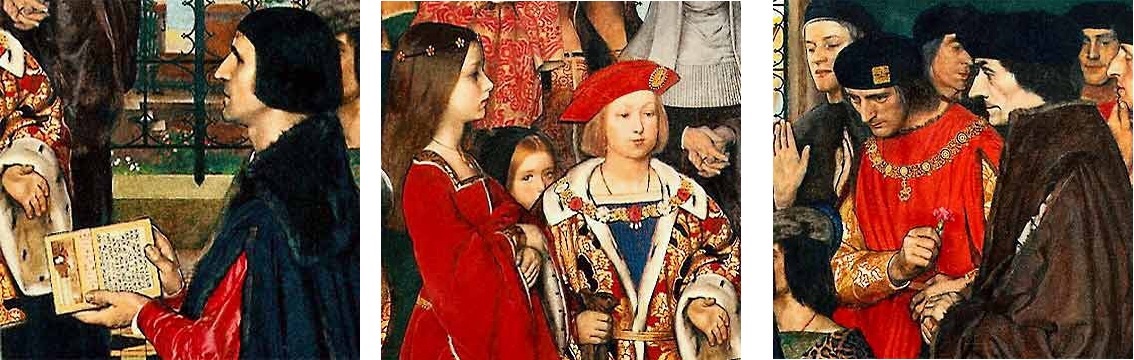


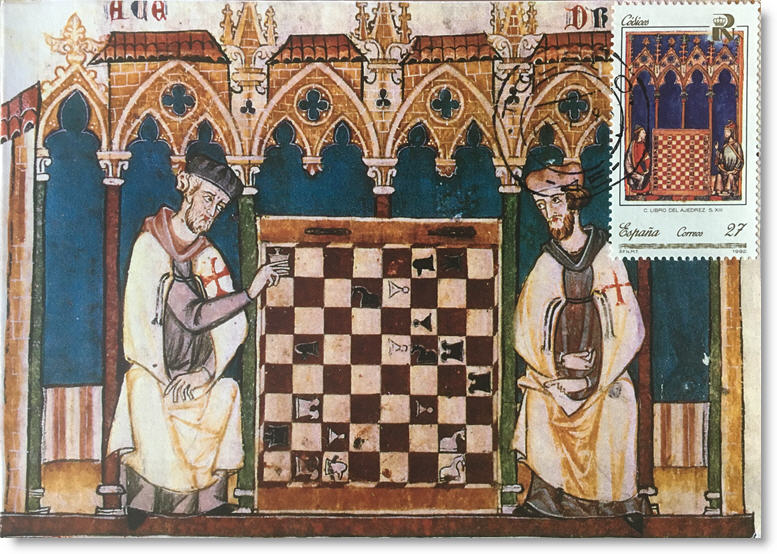


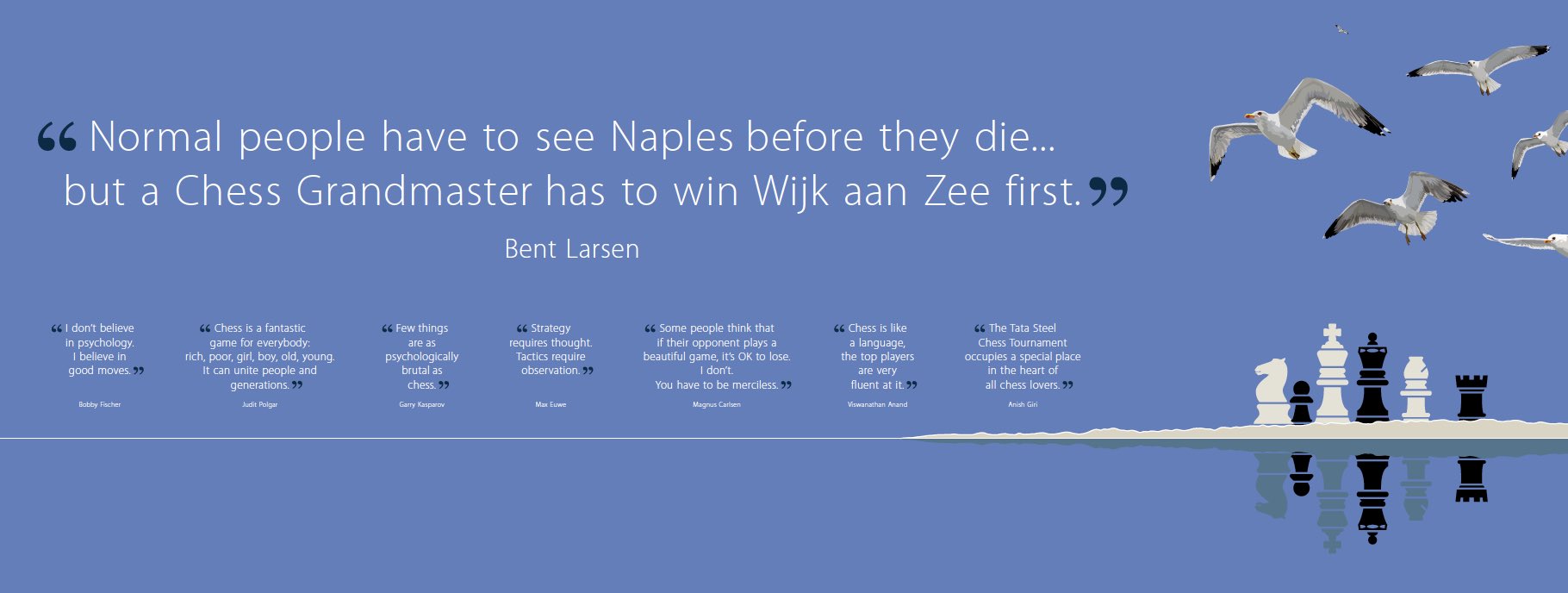


 Die ‘Mayor Oak’ boom in Sherwood Forest


 You can go on a cave tour when visiting the Robin Hood Castle in Nottingham.
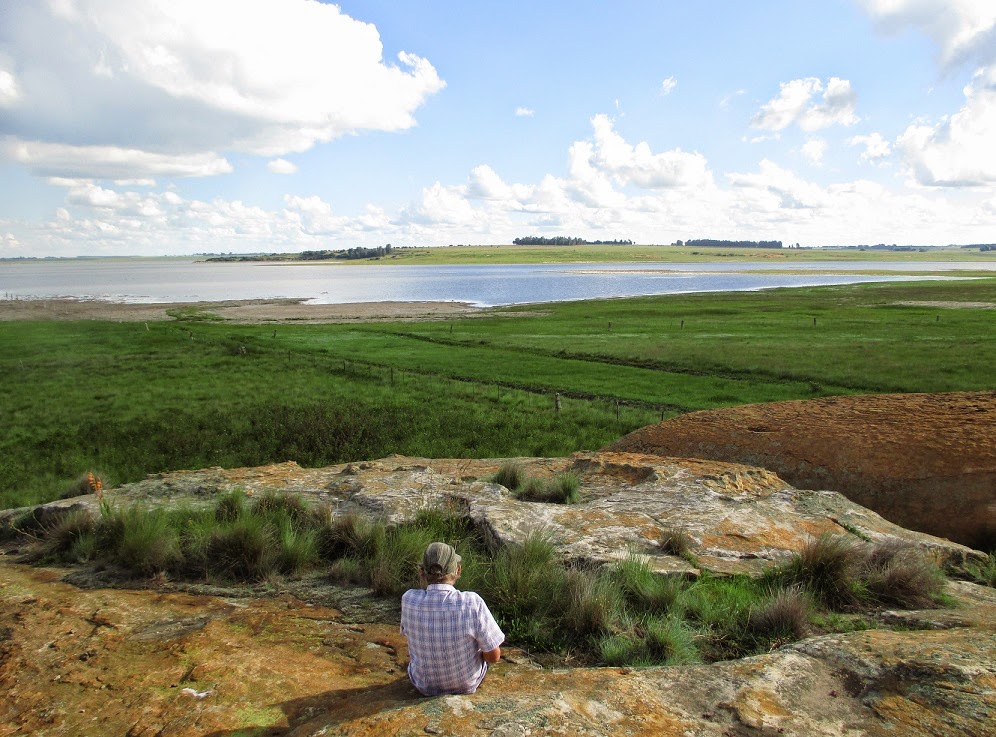




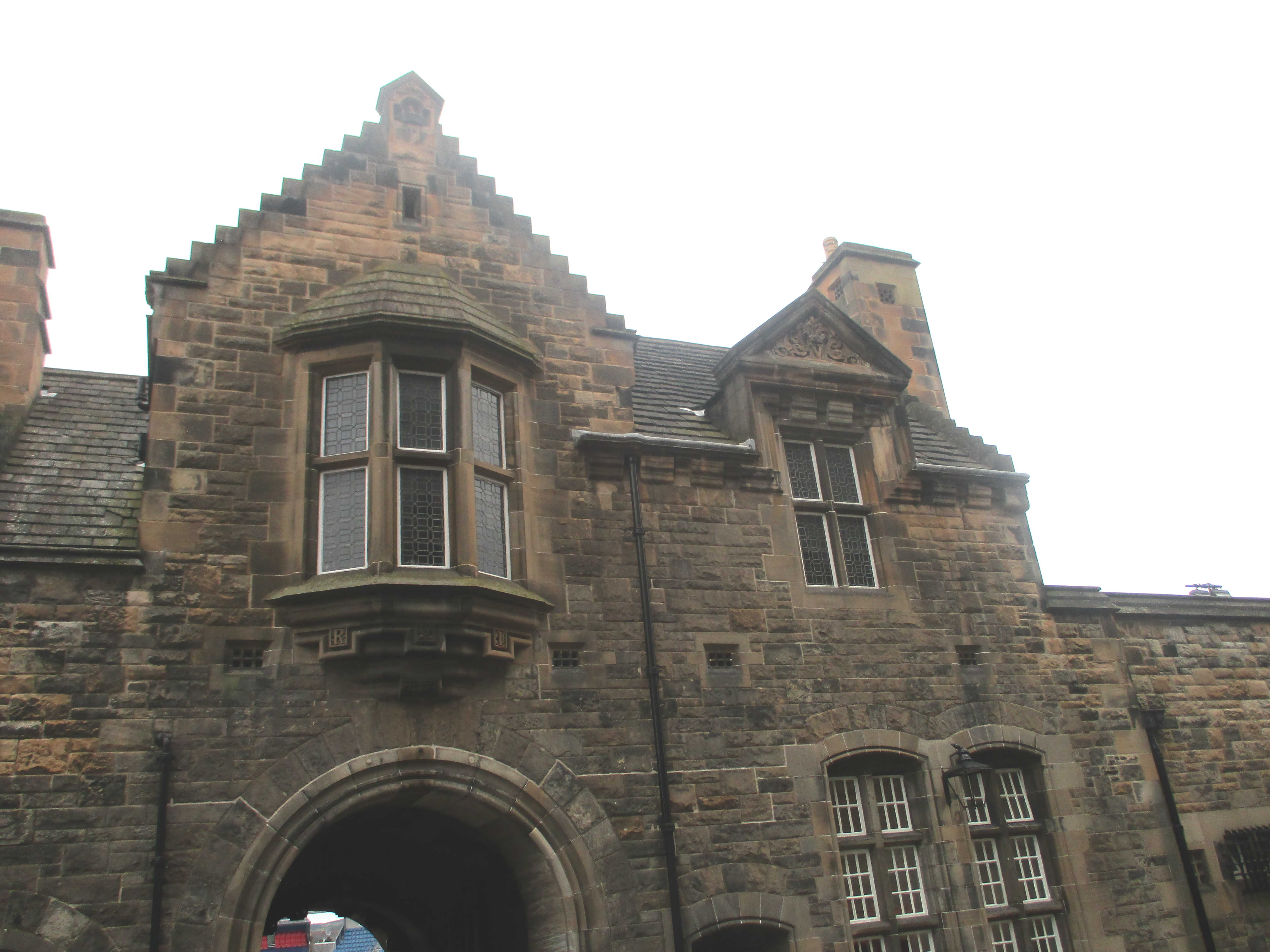


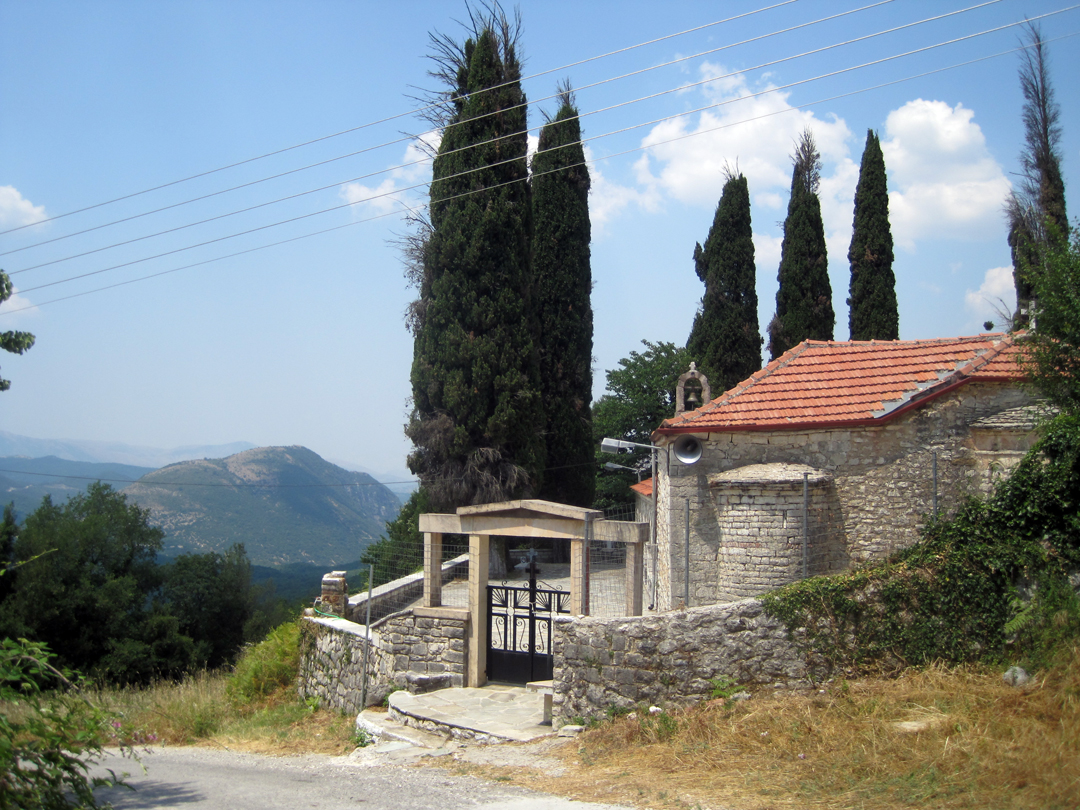


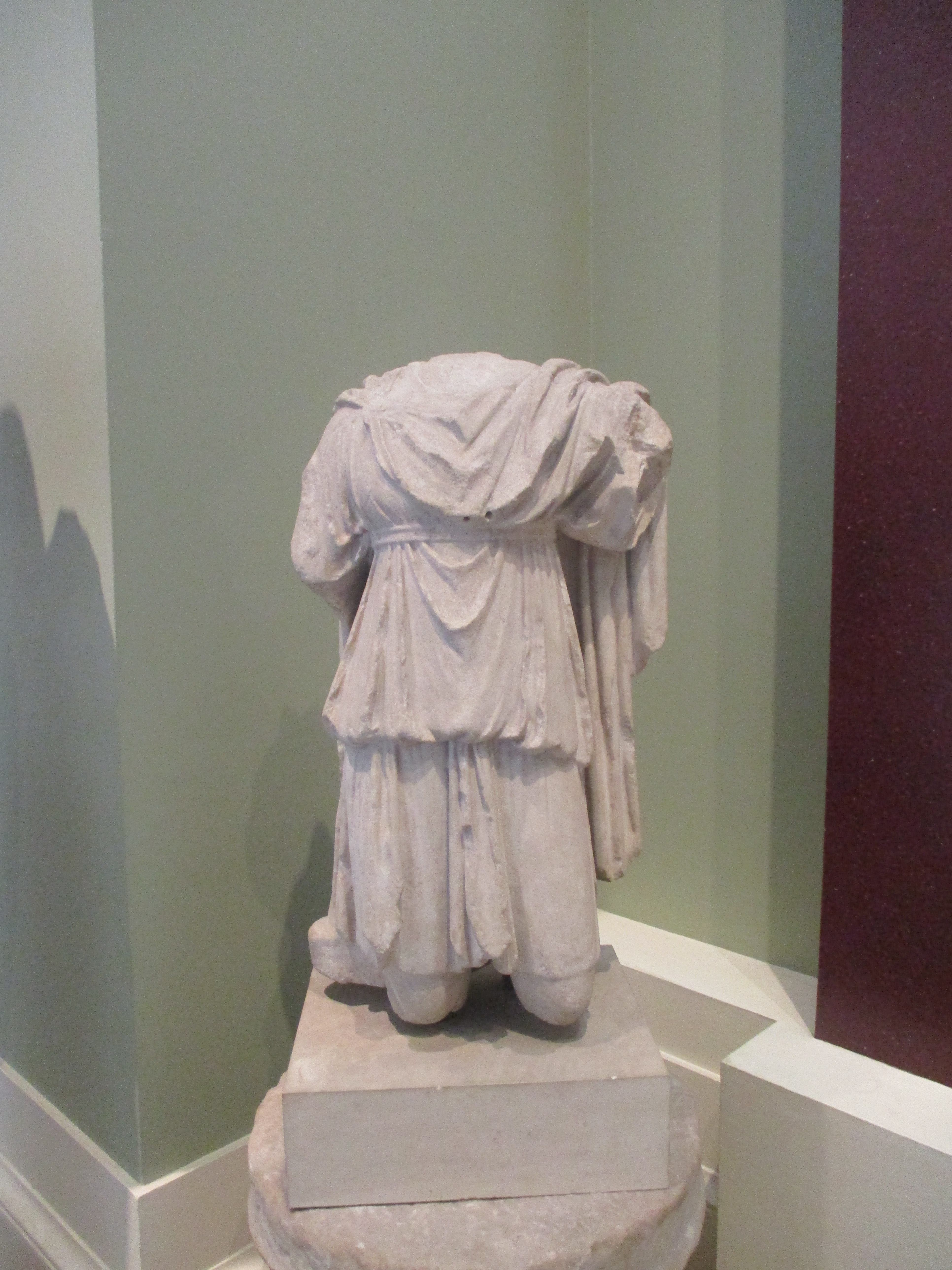



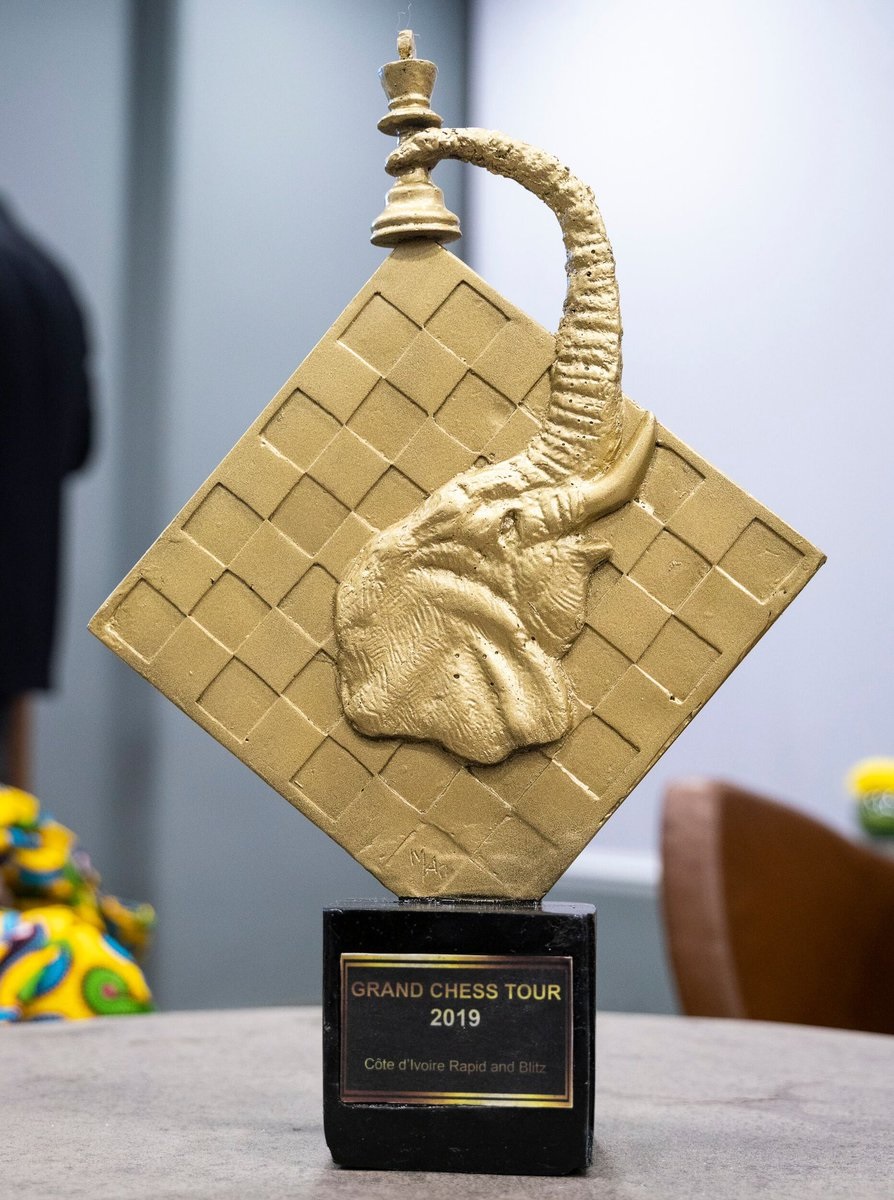








 Image: Facebook











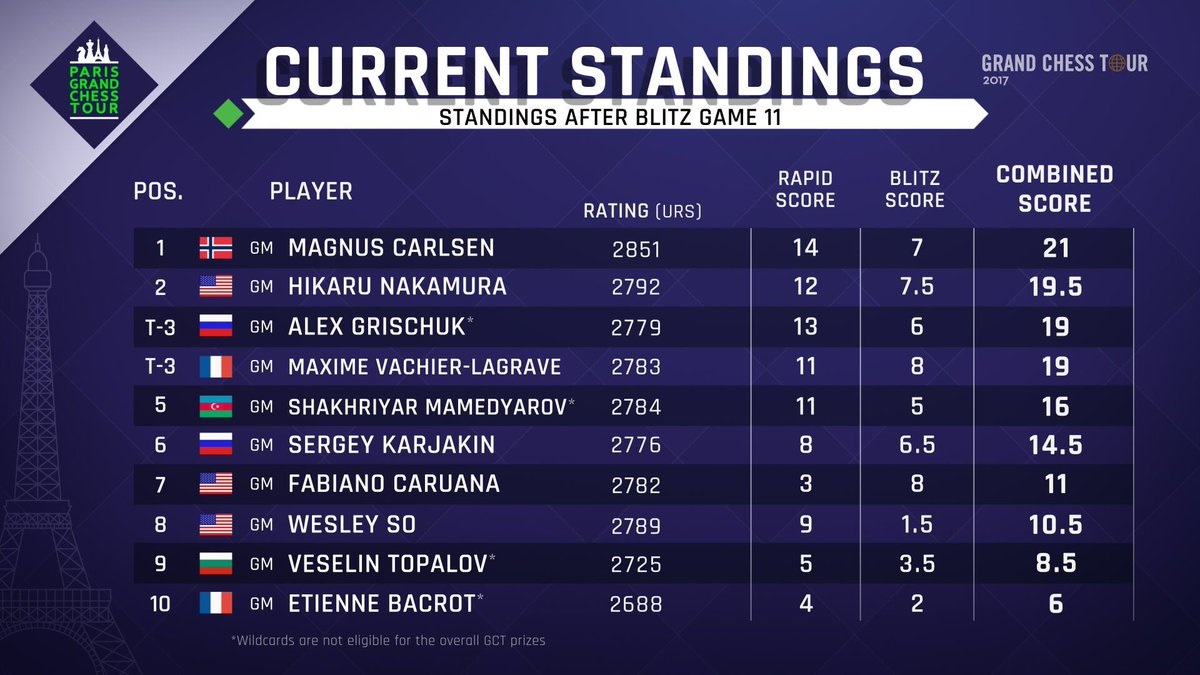








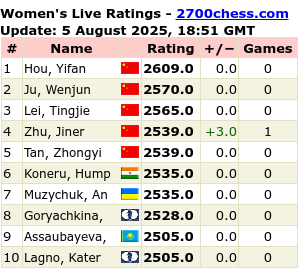
 Chessalee